by Lília
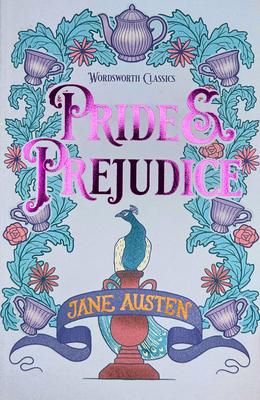 I’ve read Pride & Prejudice many times, and it never gets old. Every time I read it, I learn something new. Jane Austen’s observations of English society in the early 1800s are sharp and subtle, with the veiled sarcasm that makes her works a classic and a must-read at all times. As I grew older, those observations get more significant and become even sharper and more interesting. I’ve become more and more aware of all the struggles women in those times had to go through to merely exist.
Former colleague Ester wrote a short book review here, which highlights the importance of the novel.
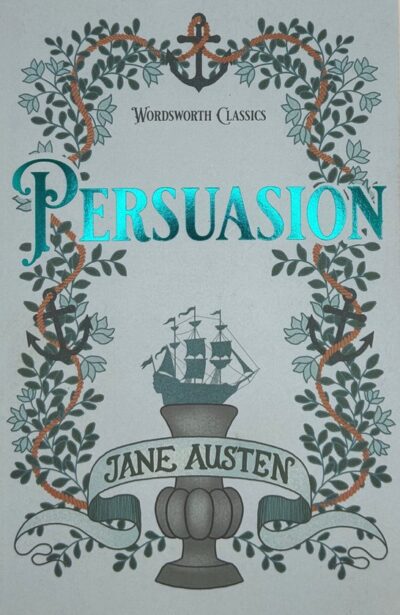 This post is not about the novel alone, but also about its contents and how they get translated to the screen. It is about some adaptations we’ve seen made, both for the theaters and television. With the new adaptation coming to Netflix in the fall – and I’m very much afraid of what they are going to do with it, since I really disliked their new version of Persuasion, one of my favorite among Jane Austen’s novels – I had an urge to watch Pride and Prejudice again.
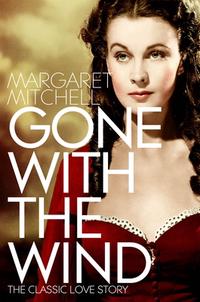 The first time I heard about an adaptation of Pride and Prejudice, I was around 15 and had just read the novel and was totally in love with it. It was a film with Lawrence Olivier and Greer Garson, and I really wanted to watch it, but it wasn’t showing anywhere. When I finally managed to get my hands on it, I watched maybe 5 minutes and decided it was completely off the story, starting with the dresses. They were reminiscent of Gone With the Wind and had no resemblance to what was worn in early 19th century England. So no success with this one.
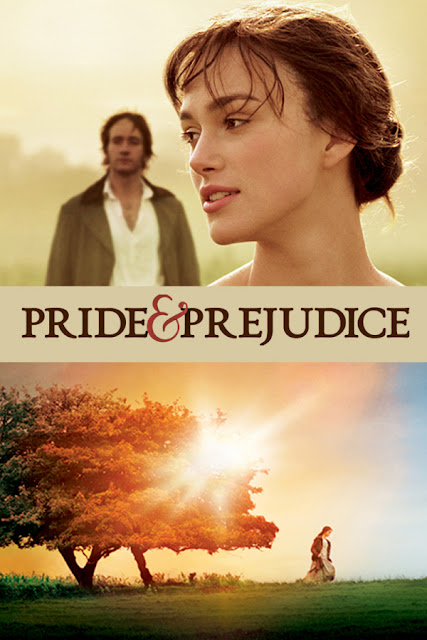 The 2005 film adaptation with Keira Knightley and Matthew Macfadyen is a great one, even though it concentrates a lot more on the love-hate relationship between Lizzie and Darcy. But I missed many of the side characters, those that made the abovementioned criticism sharper and more to the point. What I do like in this one is that it shows that life in the country is a lot messier than in the previous versions, and presents all the complicated relationships in a very understandable way.
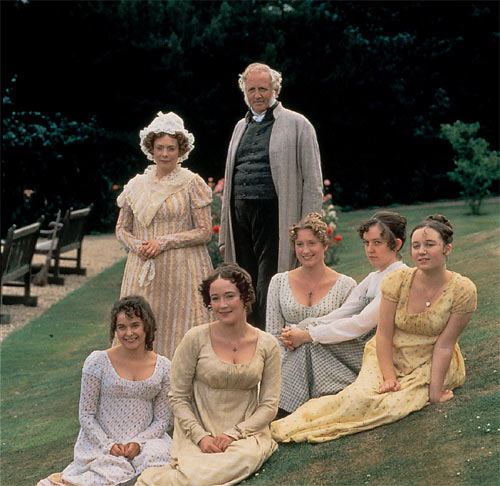 I really loved the 1995 miniseries with Colin Firth and Jennifer Ehle. It has all the elements of the novel, but also the intensity of Darcy’s feelings for Elizabeth, which are not well-described in the book. As an adaptation from book-to-screen I consider this one the best I’ve watched till now. The progression of the story is slow – as it is in the novel. Austen’s veiled criticism of her contemporaneous society and the roles women had at the time is well-represented, as well as how much stress women were under due to being dependent on men and their rule, and how much they had to live up to society’s expectations.
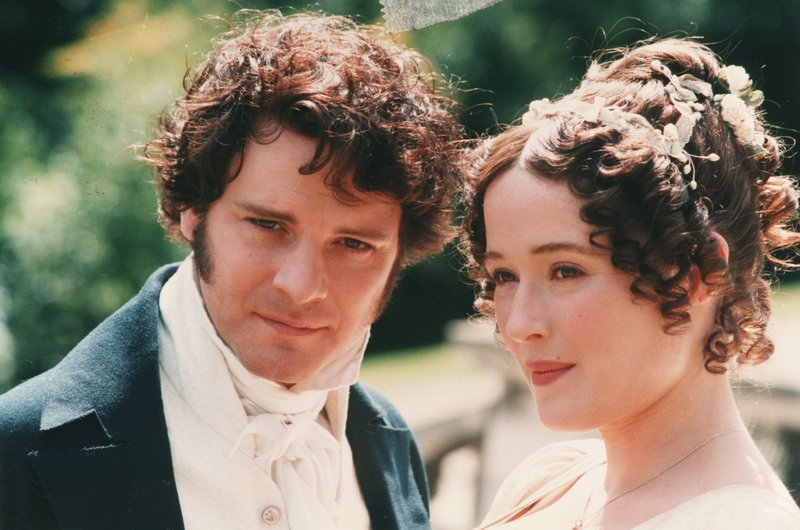
Colin Firth and Jennifer Ehle as Mr Darcy and Elizabeth Bennet in a dramatisation of Jane Austen’s “Pride & Prejudice” for the BBC, pictured at Harrow School, Harrow on the Hill – 28.08.1994. Copyright Alan Weller / The Times.
That all being said, we cannot judge an adaptation without having read the novel, and I still think the book was – is! – better.