by Júlia
“Pooh, promise you won’t forget about me, ever. Not even when I’m a hundred.”
Pooh asks,”How old shall I be then?” “Ninety-nine” comes the reply. Pooh nods, and promises.
Winnie-the-Pooh is celebrating its centennial this year, on this very day. It has already been a century since this lovely character and his friends began filling our bookshelves and screens. His stories about childhood innocence, friendship, kindness, and unconditional warmth of the Hundred Acre Wood brings a gentle escape from the stresses of modern life.
Winnie-the-Pooh’s first named appearance was in the Christmas Eve edition of the London Evening News, in a short story written by A.A. Milne. Milne wrote for the humor magazine Punch, and after serving in British army in the First World War, he continued writing novels, plays, and articles for various publications. Inspired by the stuffed toys of his young son, Christopher Robin, he started writing bedtime tales about the bear and his friends. In October 1926 the first collection of short stories about Winnie-the-Pooh was published, illustrated by E.H. Shepard. The book contained 10 stories about the bear and his friends, capturing their daily adventures—such as finding a birthday gift, tracking down a lost tail, or floating away with a balloon. Two years later came the sequel, The House at Pooh Corner, introducing new characters like Tigger.
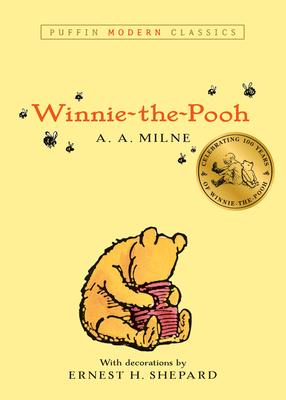
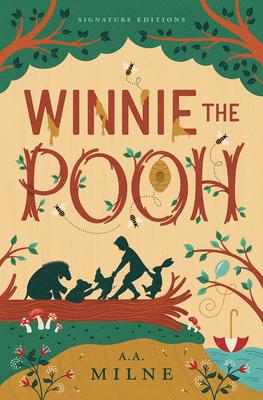
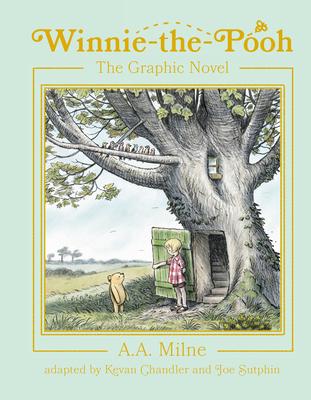
The books were an immediate success, which brought sudden and overwhelming fame to Milne and his family—especially his young son Christopher. This spotlight contributed to a complex and strained relationship between father and son.
Over the following decades, Winnie-the-Pooh grew into a massive franchise. Shortly after the publication of the books, the characters received theatrical adaptations,
new book editions, and global translations.
“People say nothing is impossible… But I do nothing every day”
– Winnie-the-Pooh
After Disney acquired the licensing rights, they distributed the first film in the 1960s. Through extensive merchandise and screen exposure, Pooh was firmly established as one of Disney’s biggest stars. Many movies, animated television shows, comic strips, toys, and even live-action characters in Disney parks followed. Winnie-the-Pooh has truly become a global pop culture icon.
Beyond the world of Winnie-the-Pooh
“You only had to look at them to see at once that Eeyore was gloomy, Piglet squeaky, Tigger bouncy and so on. But of course there was much more to it than that.”
– Christopher Robin
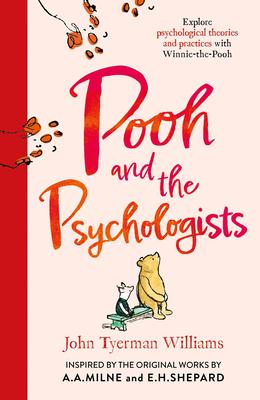
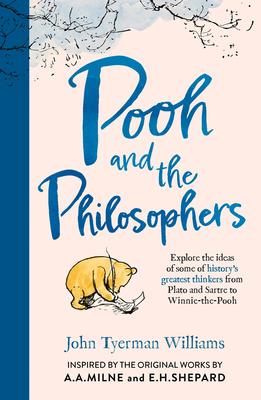
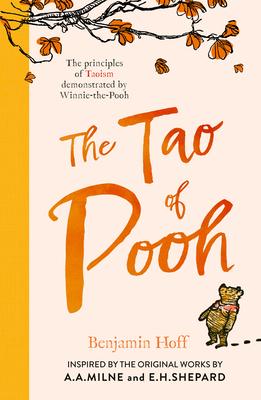
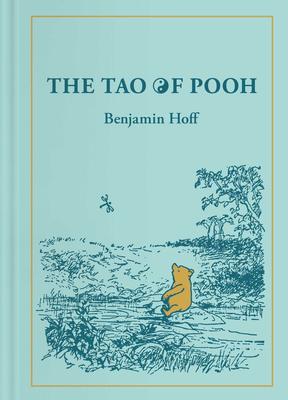
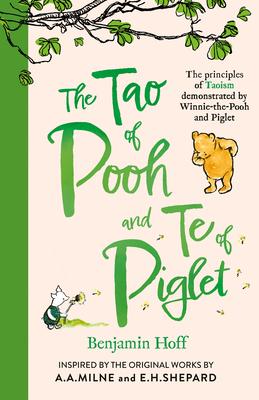
Winnie-the-Pooh’s world speaks as powerfully to adults as to children. Returning to the Hundred Acre Wood feels familiar and comforting, and beneath the simple stories lies a touching, philosophical depth that resonates deeply with adults—so much so that therapists and motivational thinkers still refer to Pooh’s quiet wisdom today.
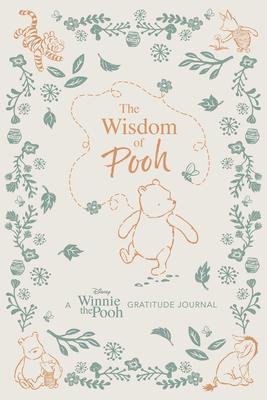
Test Your Winnie-The-Pooh Knowledge
True or False:
- Winnie-the-Pooh has his own star on the Hollywood Walk of Fame.
- Images of Winnie-the-Pooh were censored in China.
- His original name is based on an American black bear (who came over from Winnipeg, Canada) visited at the London Zoo by Christopher Robin and his father.
- There is a Soviet Union version of Winnie called Vinni Pukh.
Click here to reveal the answers
All true!