by Damla
“Often, we would simply come to the conclusion that you cannot know everything, that you have to accept some displacement in life, that you have to expect inconsistencies, and that was what we encountered: patterns and inconsistencies, two worlds trying to merge.”
What do you do when your world stops on a random, rainy November 18th, and you find yourself waking up to the same morning, again and again, yet it is a fresh new day for everyone else in the world?
How do you exist with this growing distance between yourself and everyone else, between your mind and your body?
What can you do when the time has decided to rapture its own fabric around your existence only?
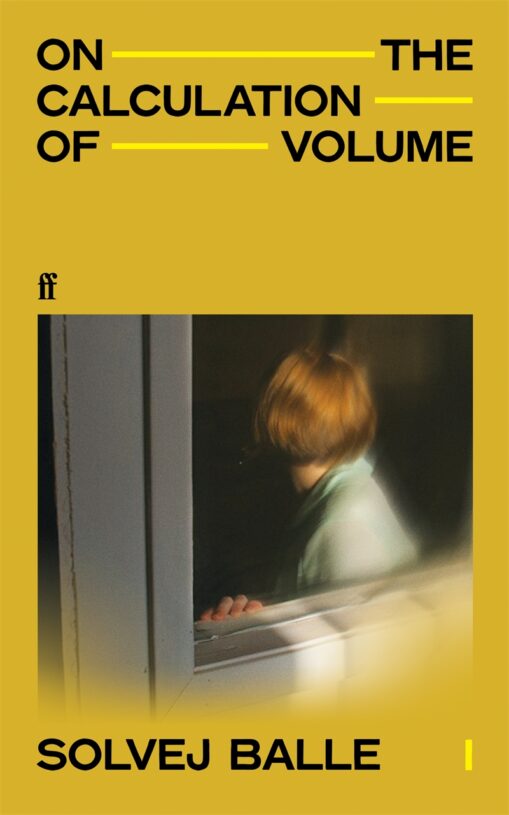
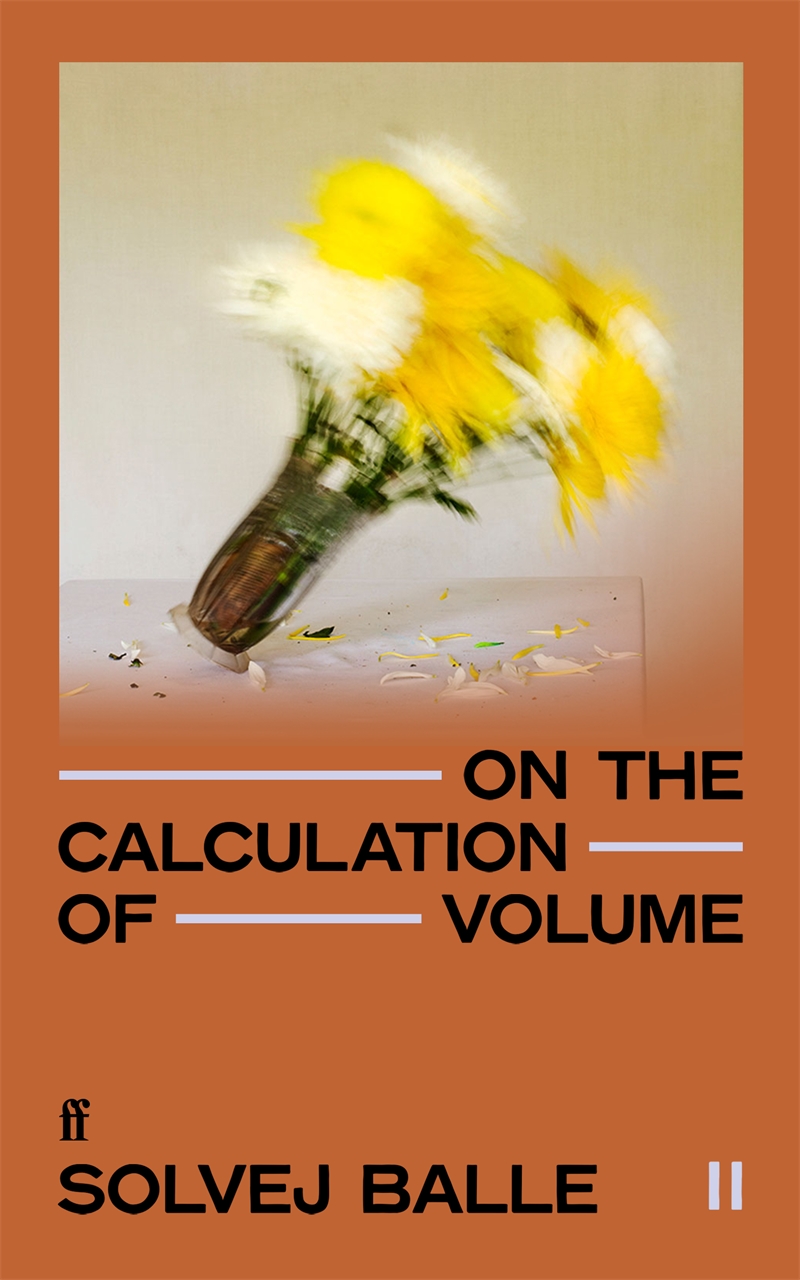
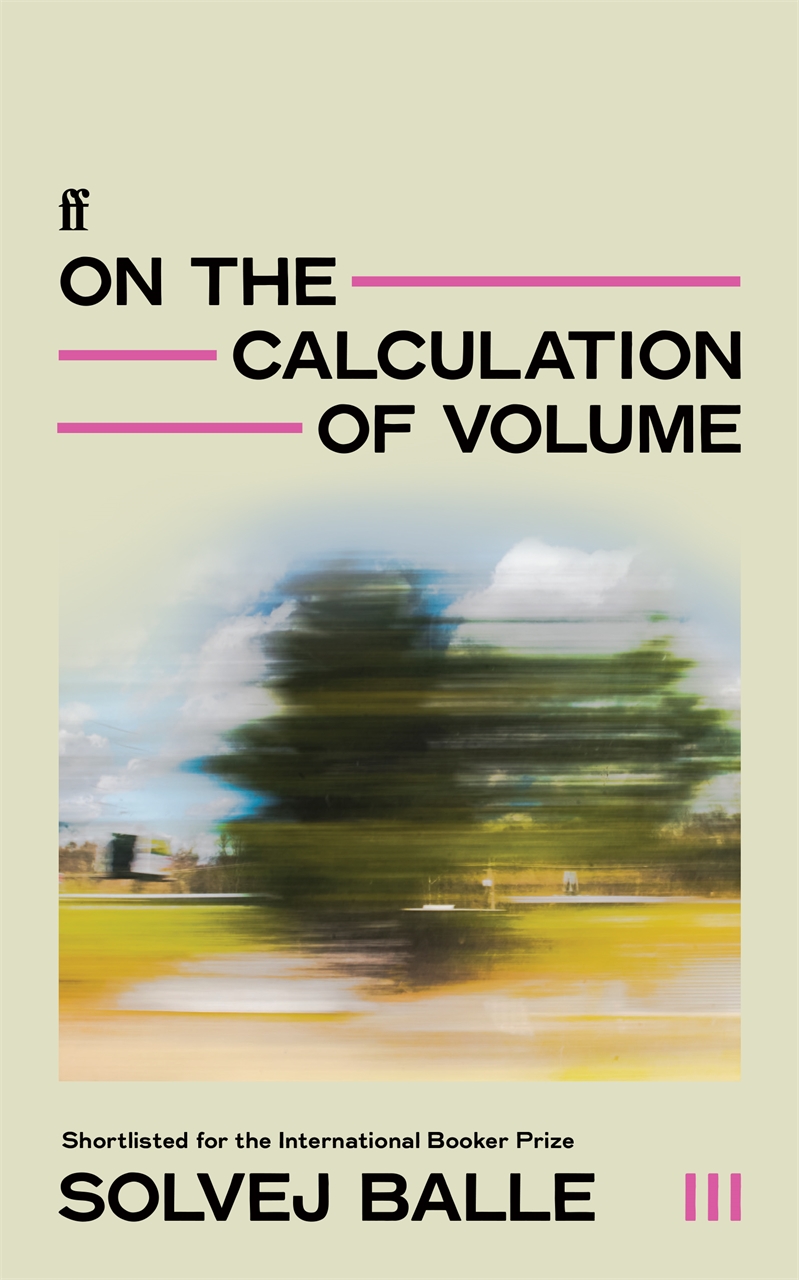
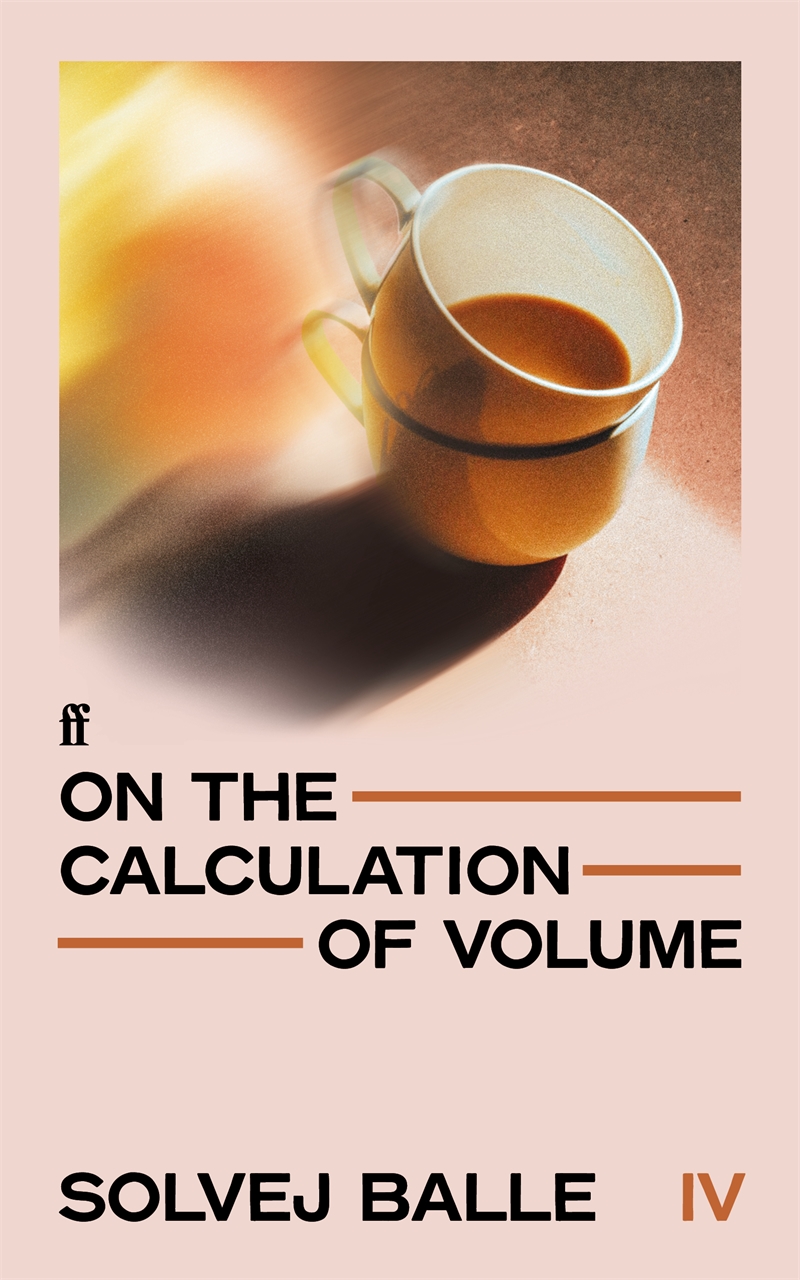
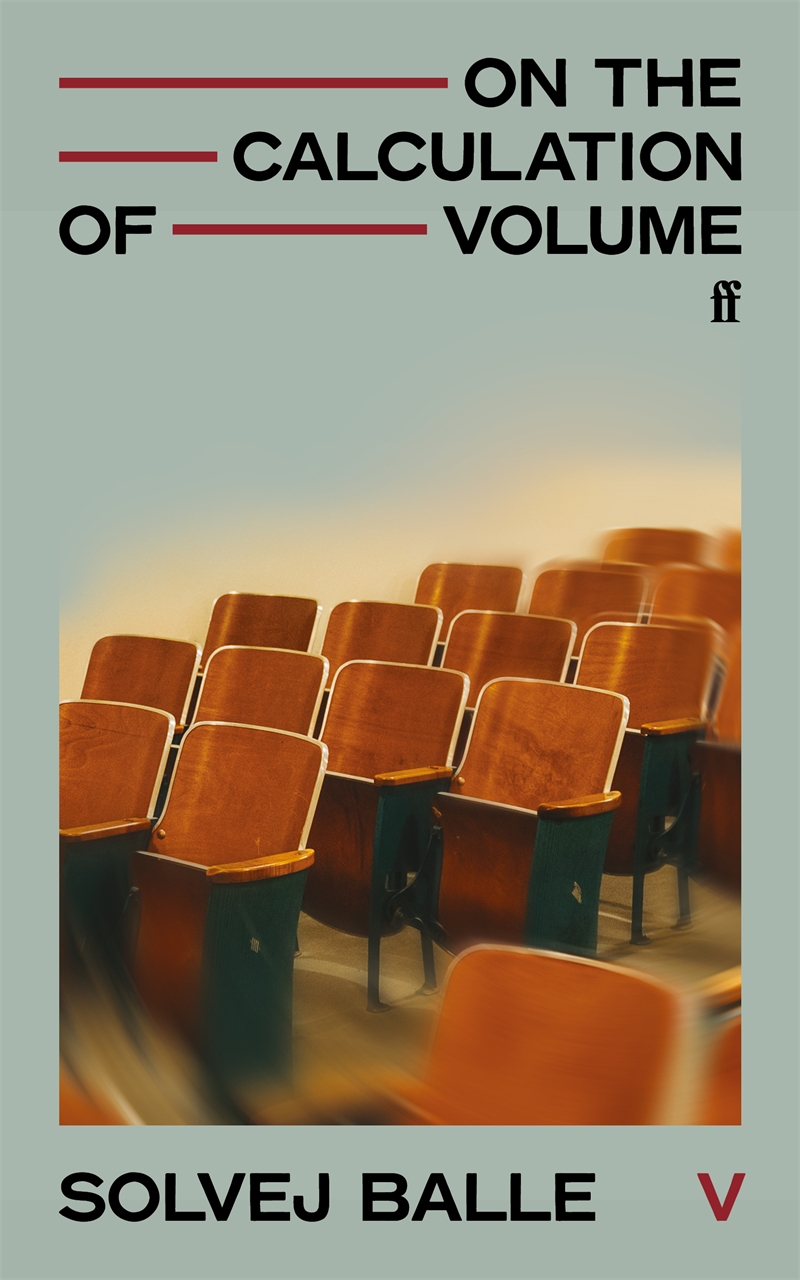
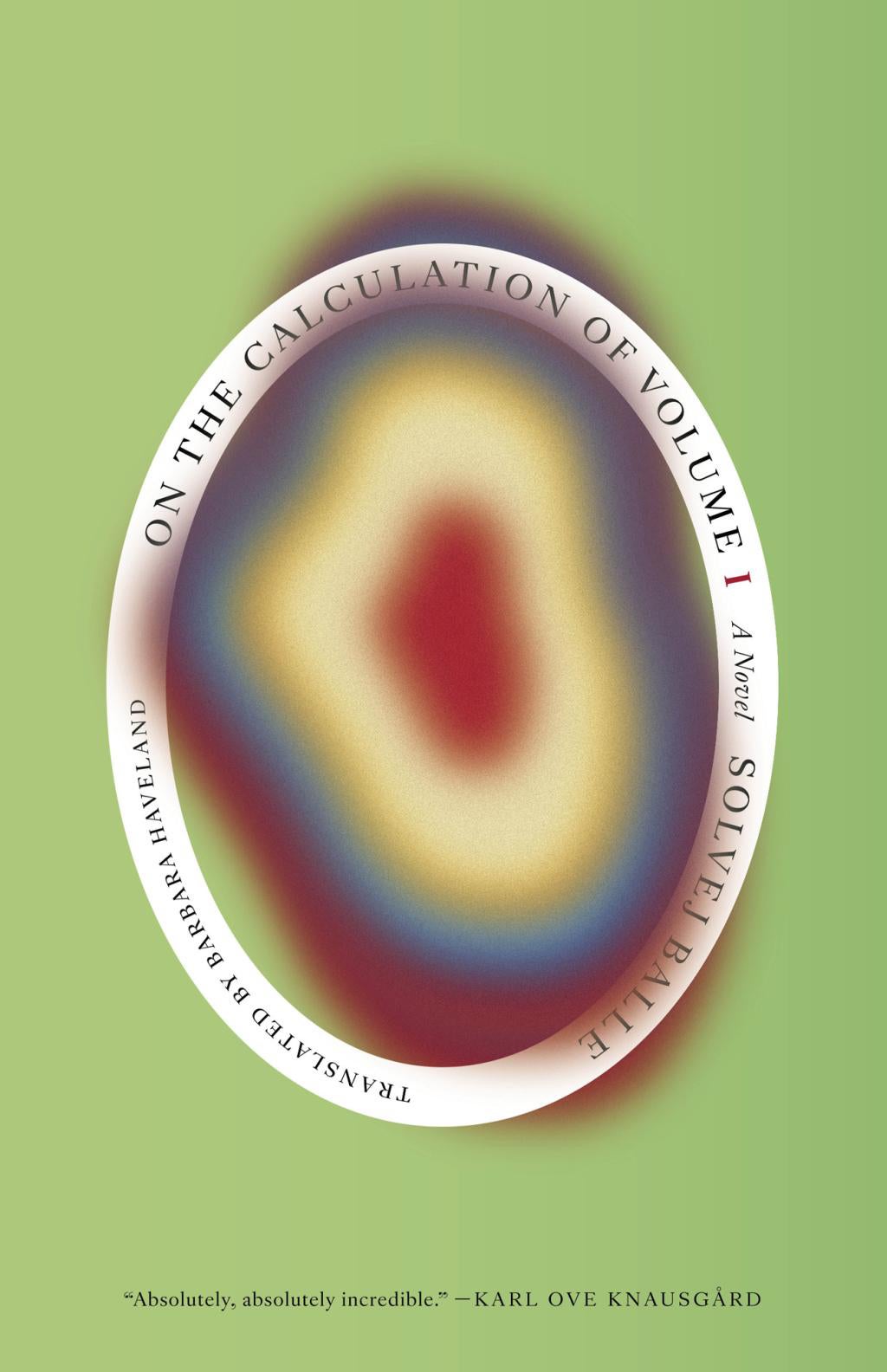
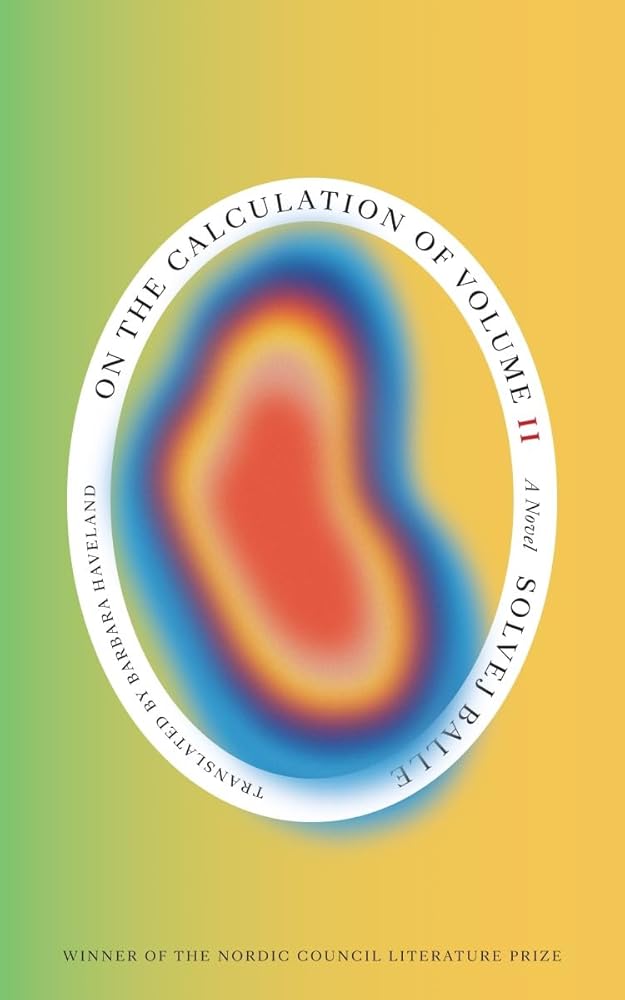
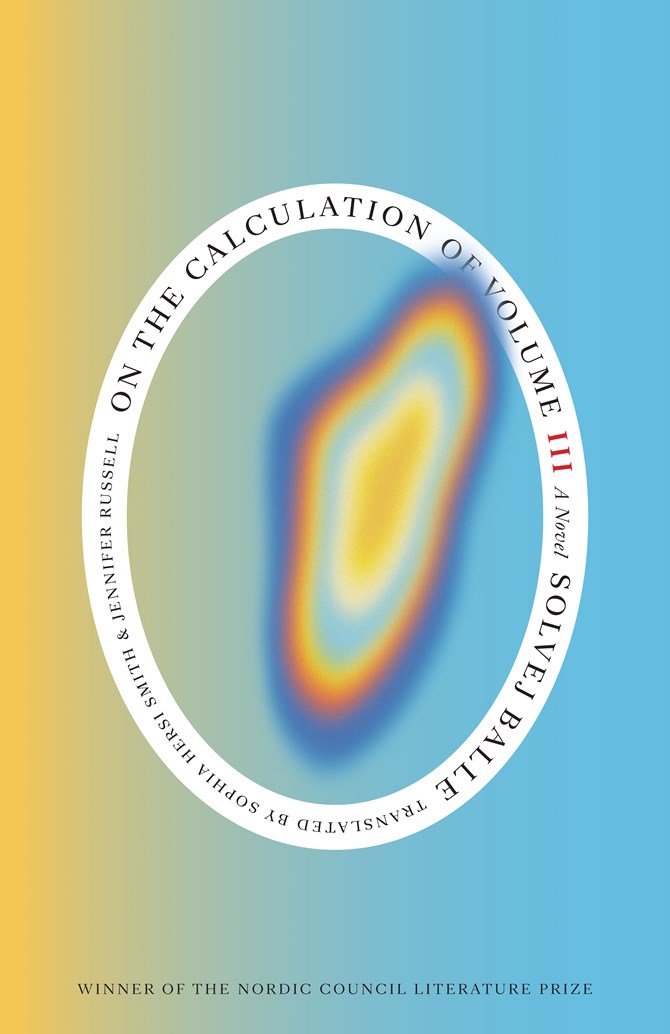
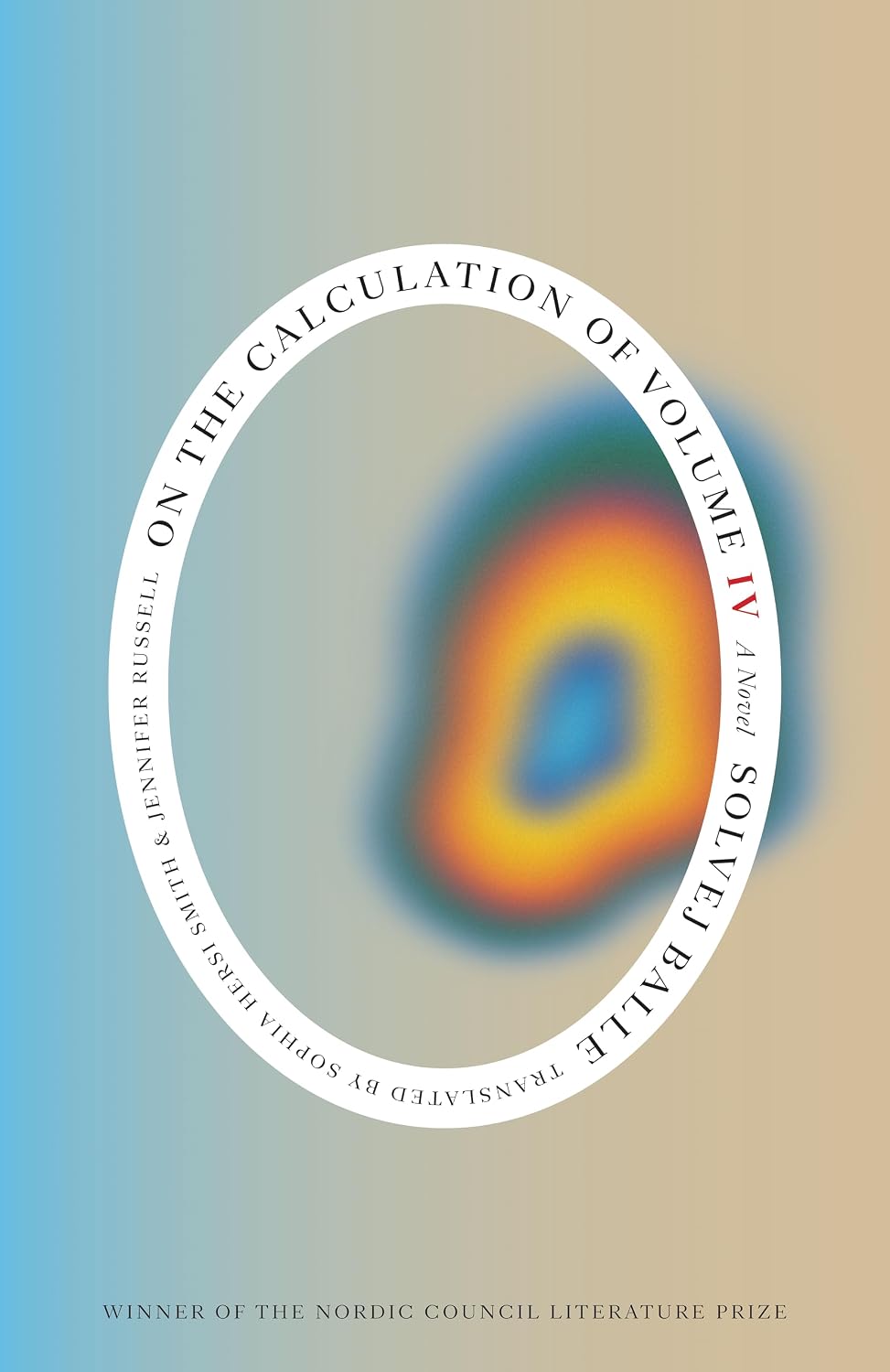
That is what happens to the protagonist of this story, Tara, in Solvej Balle’s award-winning seven-part series that brings a beautifully introspective take on the time loop trope. Originally written and published in Danish, the English translations of the series is an ongoing project, with the fifth installment being the most recently published of the bunch in November 2026.
In full transparency, I actually decided to read this book not because of the buzz it has somewhat created in its own circles or the awards it has won (both Locus Award for Best Translated Novel and National Book Critics Circle Award for Fiction in 2025 for the third part of the series, as well as a Booker Prize nomination that made it into the shortlist), but simply because my birthday is on November 18th. How fun, I thought, to be repeating your birthday. And although the idea might sound entertaining at first, the more I thought about it, and the more I read about Tara’s experience, the worse it all sounded.
As the days that Tara lives accumulate, creating an ever-growing rift between her world and everyone else’s, the extraordinary reiteration of her days takes on an increasingly more pressing existentialist question: is Tara the ghost, doomed to being forgotten at the start of each repeating day? Or are the others ghosts, never leaving a mark on the world and inhabiting the space as shadows each day?
Anything she consumes does not regenerate at the start of the day, leaving stores and cupboards under-stocked. Is Tara a monster for depleting the resources of the world and leaving an undeniable footprint? If November 19th was ever to come, what would happen to those affected by her consumption?
“It is the eighteenth of November. I have grown used to the thought. But I cannot get used to the sounds. They are the sounds of what I have lost.”
Each volume in the series is a deeply reflective, almost dreamy (and honestly kind of nightmare-y) book that has surprising moments of humor, joy, and a moving connection to everything and everyone around us. The writing itself is delicately crafted, with a beautifully melancholic thread woven throughout. There is even a certain coziness and calm in the way Tara makes a life for herself in the strange circumstances. It is truly delightful reading that somehow distills the human experience so beautifully.
That being said, you might be wondering how this might provide enough material for a seven part series. Doesn’t it get repetitive (ha!), you might ask. Well, not at all. Each book ends with a big event, a significant turning point that changes the rules we understand about Tara’s world. So at the end of each volume, I was curious to move on to the next one, to tackle the next philosophical shift in the circumstances. As a result, I look forward to the last two volumes of the series – part VI scheduled for May 2027 and part VII for November 2027.
“The unthinkable is something we carry with us always. It has already happened: we are improbable, we have emerged from a cloud of unbelievable coincidences.”
As Tara approaches her 365th 18th of November, she can’t shake the feeling that somewhere underneath the surface of this day, there’s a way to escape.
Now the villa is full of people. As their community grows, their search for answers about the eighteenth of November becomes more urgent.