by Iris
Earlier this week, the shortlist for the prestigious Booker Prize was announced. This year’s shortlist, whittled down from 163 submissions, spans a range of genres and features previous winners as well as first-time nominees. “The shortlisted books explore what it means to be human in an ever-changing world and the communities and events that shape us,” according to the official website.
The winner will be announced on Monday, November 9th. Meanwhile, enjoy these six books!
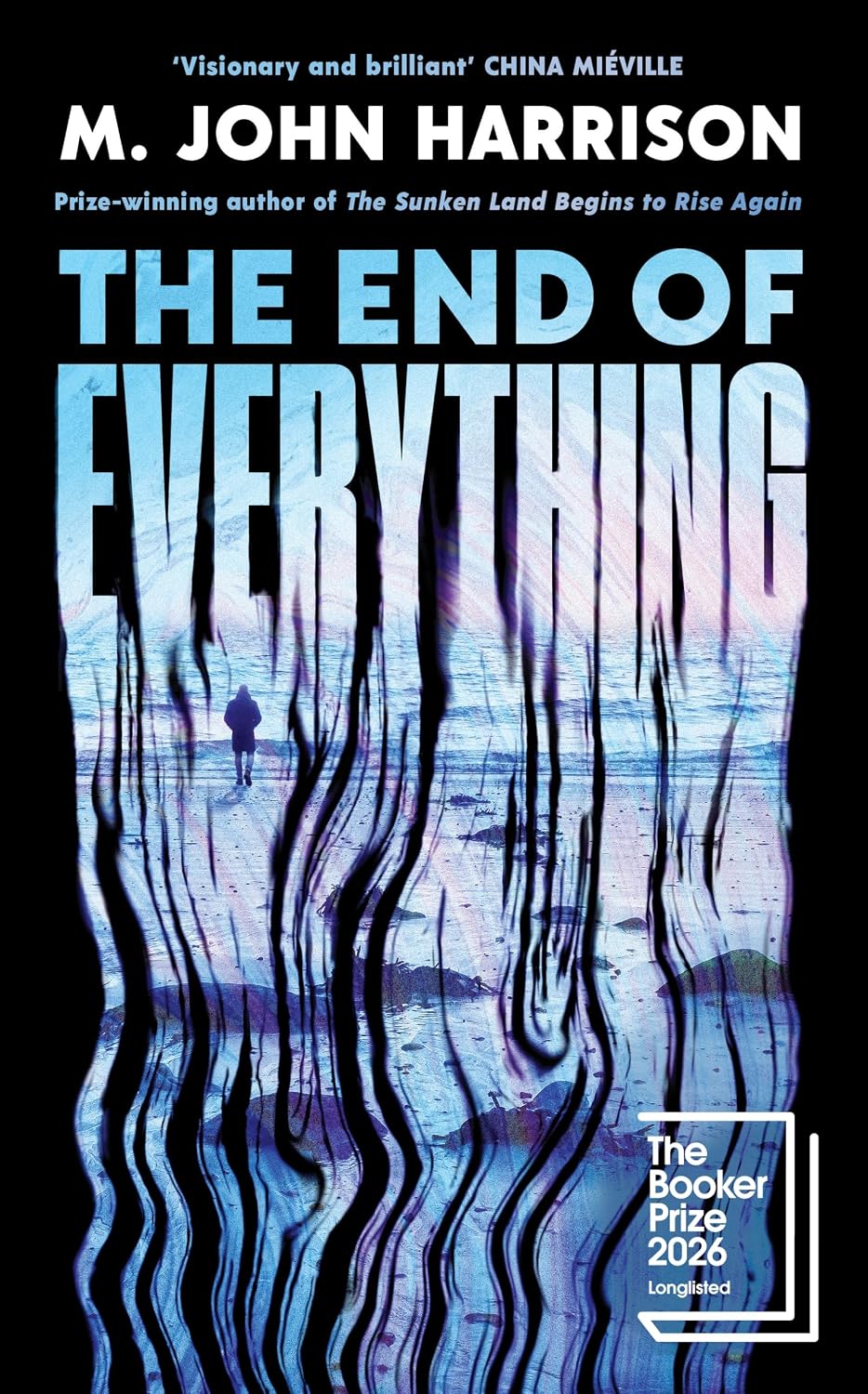
The End of Everything by M. John Harrison
Phillip Tennent makes his living at the tideline, collecting artifacts that wash up from the Channel. It’s been years since the crisis changed everything, but its exact nature remains obscured. Government barely functions, the seas are full of new creatures, Europe has been mislaid. It feels like the end.
Now Phillip has fished out of the water an object he can’t keep. A creature that keeps changing. An artifact he must take inland, before it destroys everything he thinks he knows.
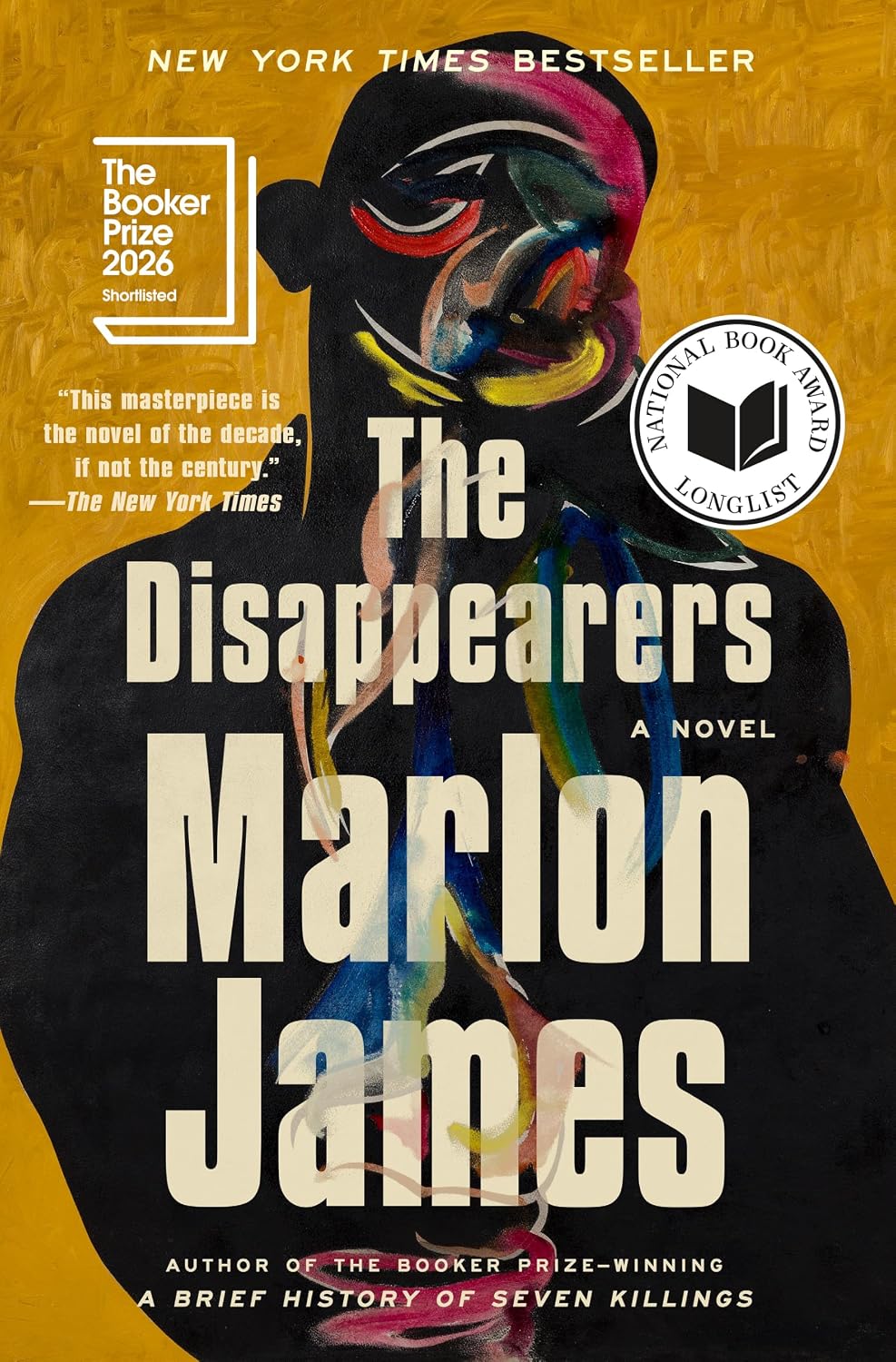
The Disappearers by Marlon James
In 1988, eight men in Kingston, Jamaica, begin rehearsals for a play. The men are strangers to one another and each has a different reason for being involved. But they all share one inescapable truth: all of them are gay – a ‘batty man’ in Jamaican argot – and all of them must contend with the dangers that such a truth lays bare.
One night a mob savagely attacks them, killing one of the men. For the survivors, their recovery is as much emotional as it is physical: as their bodies heal, each man must grapple with the violence, the hatred, and the rage that the attack made plain. Some try to ignore what the attack has unearthed, while others double down on retribution.
The Disappearers is both a dramatic page-turner and an unflinching exploration of queer life in Jamaica during the 1980s and 1990s.
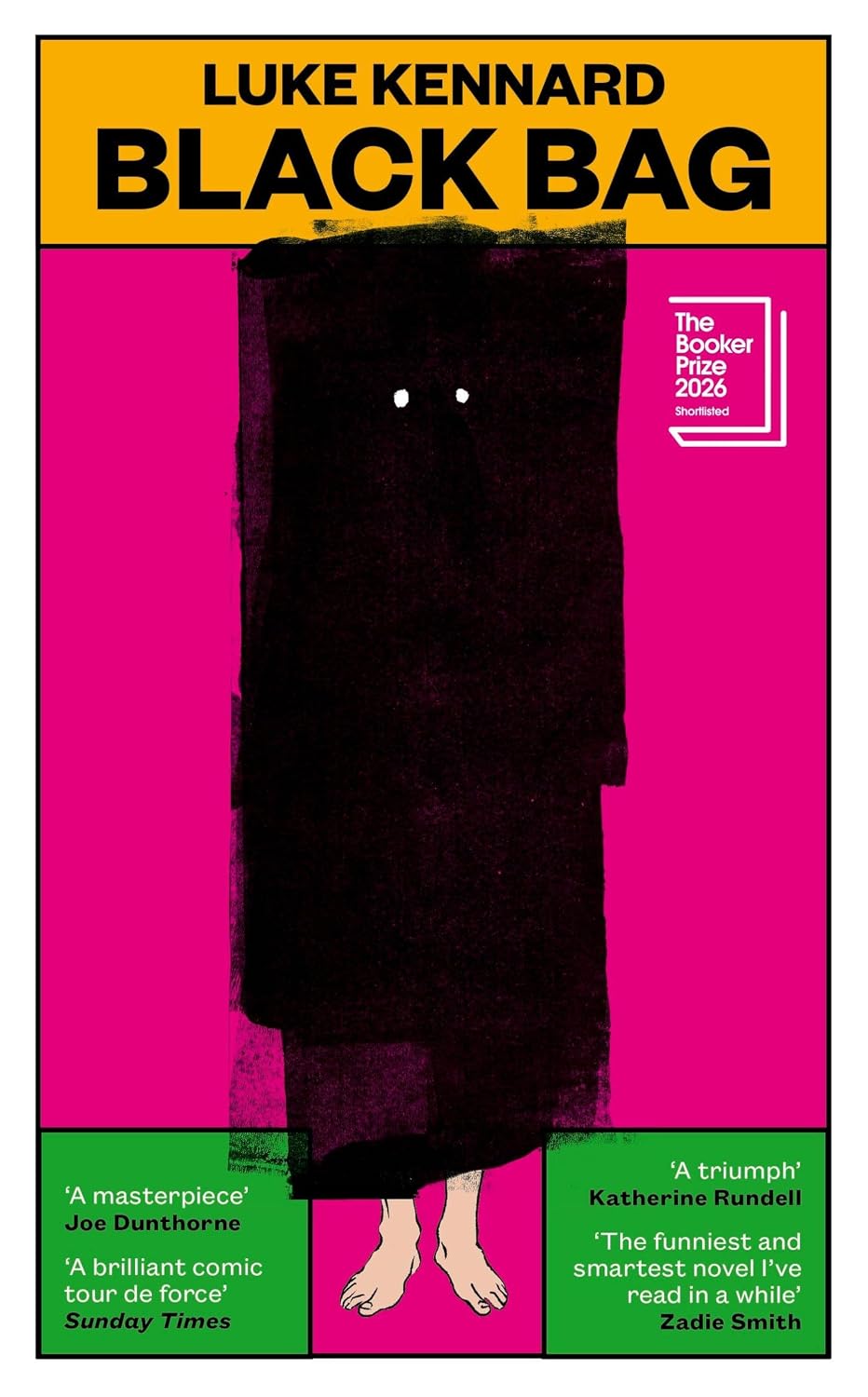
Black Bag by Luke Kennard
A penniless and out-of-work actor picks up a job working for Dr Blend, a university professor who is conducting a psychological experiment. How will Dr Blend’s students react to someone zipped into an oversized bag, sitting at the back of the lecture hall over a series of autumn term lectures?
The role, eagerly accepted, soon has unexpected consequences. A professor of post-humanism develops research questions of her own, in particular can you love someone secreted away inside a black bag? Meanwhile, the actor’s childhood friend and flatmate forms a vision for monetising this new situation…
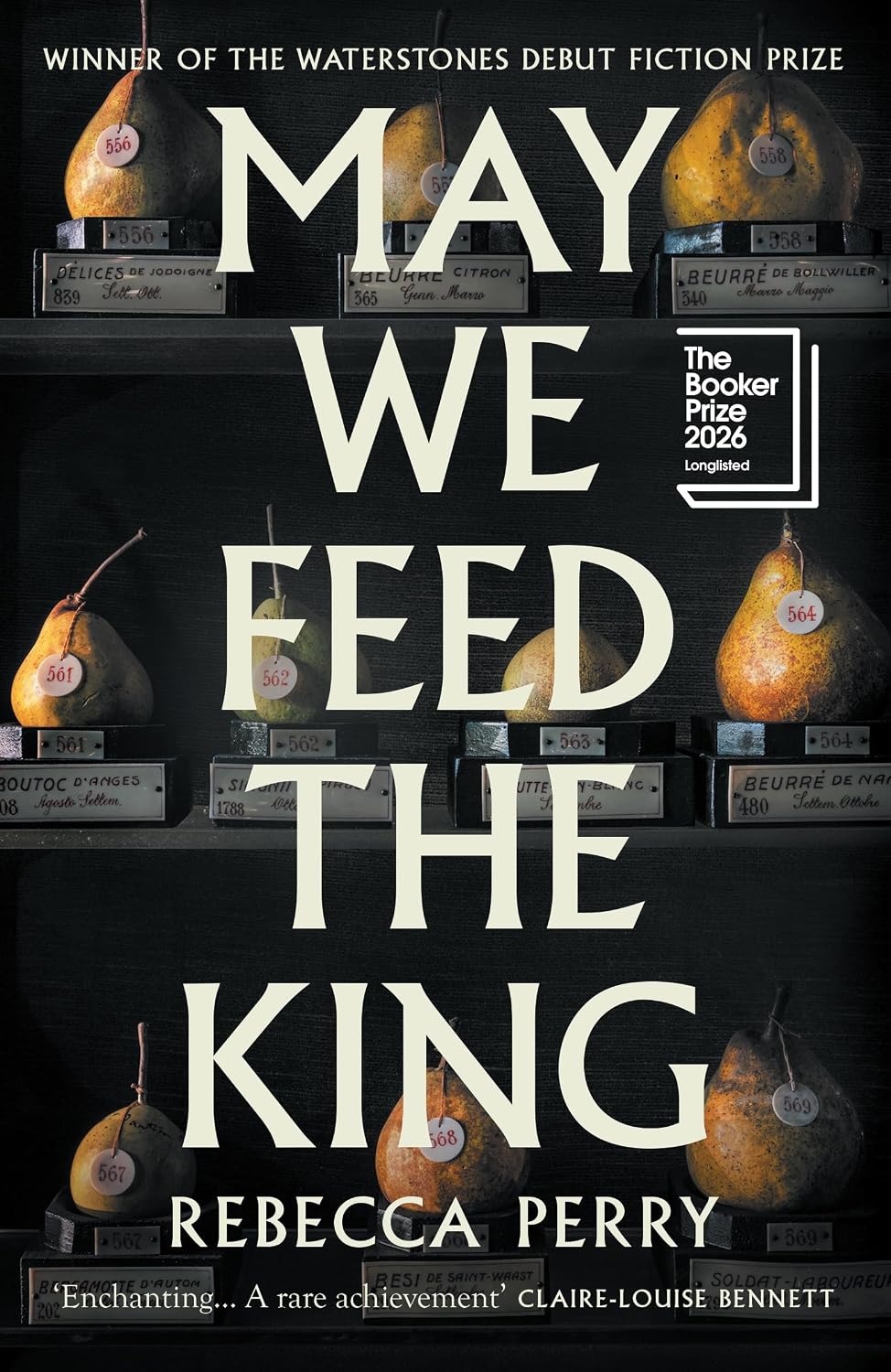
May We Feed the King by Rebecca Perry
She is a curator, who spends her time dressing the rooms of historic buildings to bring them to life. But in the lush private quarters of a medieval palace, she finds herself so transfixed by the reign of an almost-forgotten King that the edges of her life begin to blur.
He is a reluctant ruler with no hunger for power, rushed to the throne after the untimely deaths of his older brothers. But it isn’t long before whispers begin to fly around the court. And with the growing belief that the King is not fit for the throne comes the idea that another might rule in his stead.
May We Feed the King dances between the lives of a historical subject who risks the future of his kingdom and a woman who turns to the past to hide from her present.
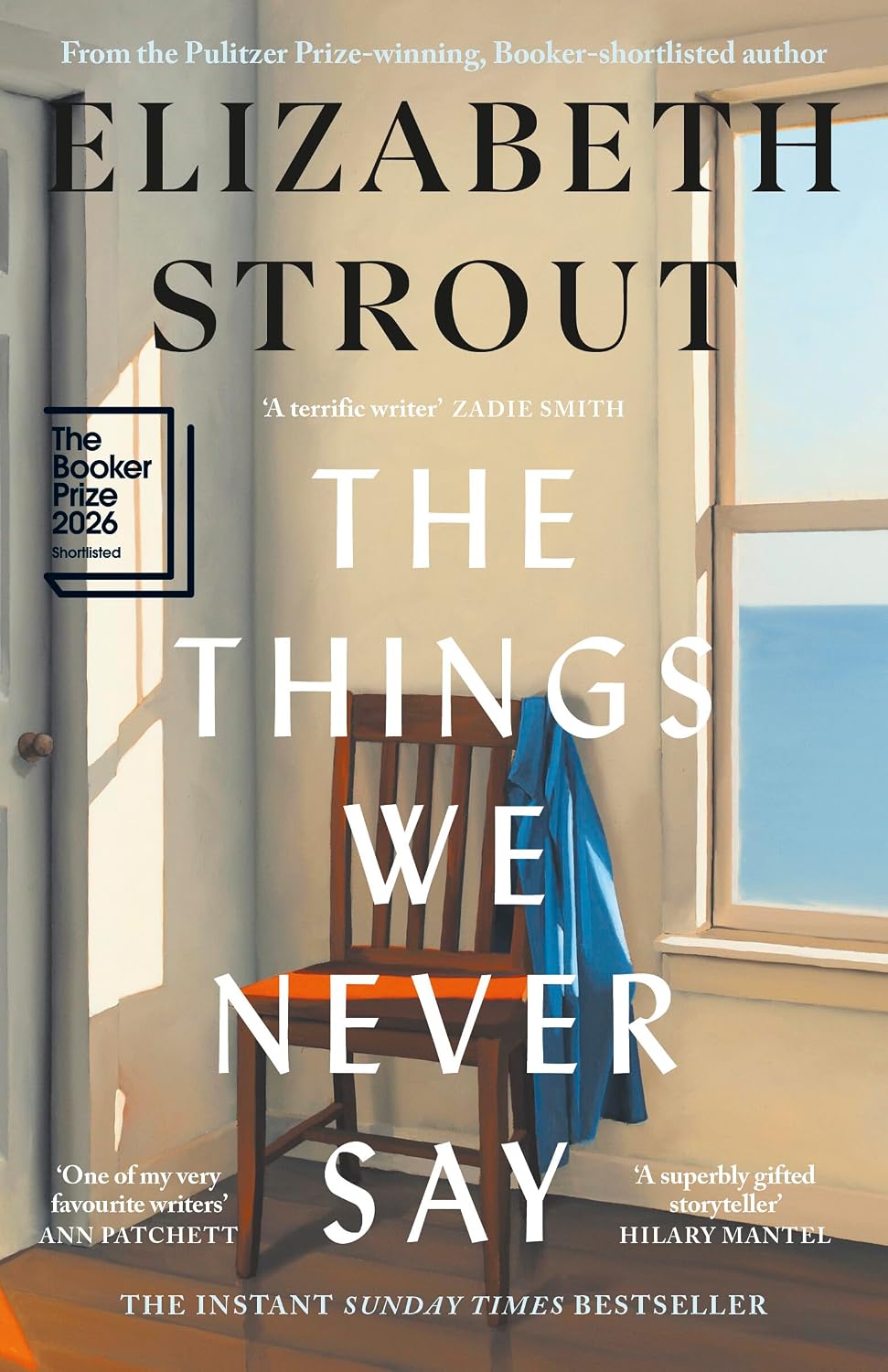
The Things We Never Say by Elizabeth Strout
Artie Dam is a man with a secret. He spends his days teaching history to high schoolers, expanding their young minds, correcting their casual cruelties, and lending a kind word to those who need it most. He goes to holiday parties with his wife of three decades, makes small talk with neighbours, and, on weekends, takes his sailboat out on the beautiful Massachusetts Bay. He is, by all appearances, present and alive. But inside, Artie is plagued by feelings of isolation. He looks out at a world gone mad – at himself and the people around him – and turns a question over and over in his mind: how is it that we know so little about one another, even those closest to us?
And then, one day, Artie learns that life has been keeping a secret from him, one that threatens to upend his entire world. Once he learns it, he is forced to chart a new course, to reconsider the relationships he holds most dear – and to make peace with the mysteries at the heart of our existence.
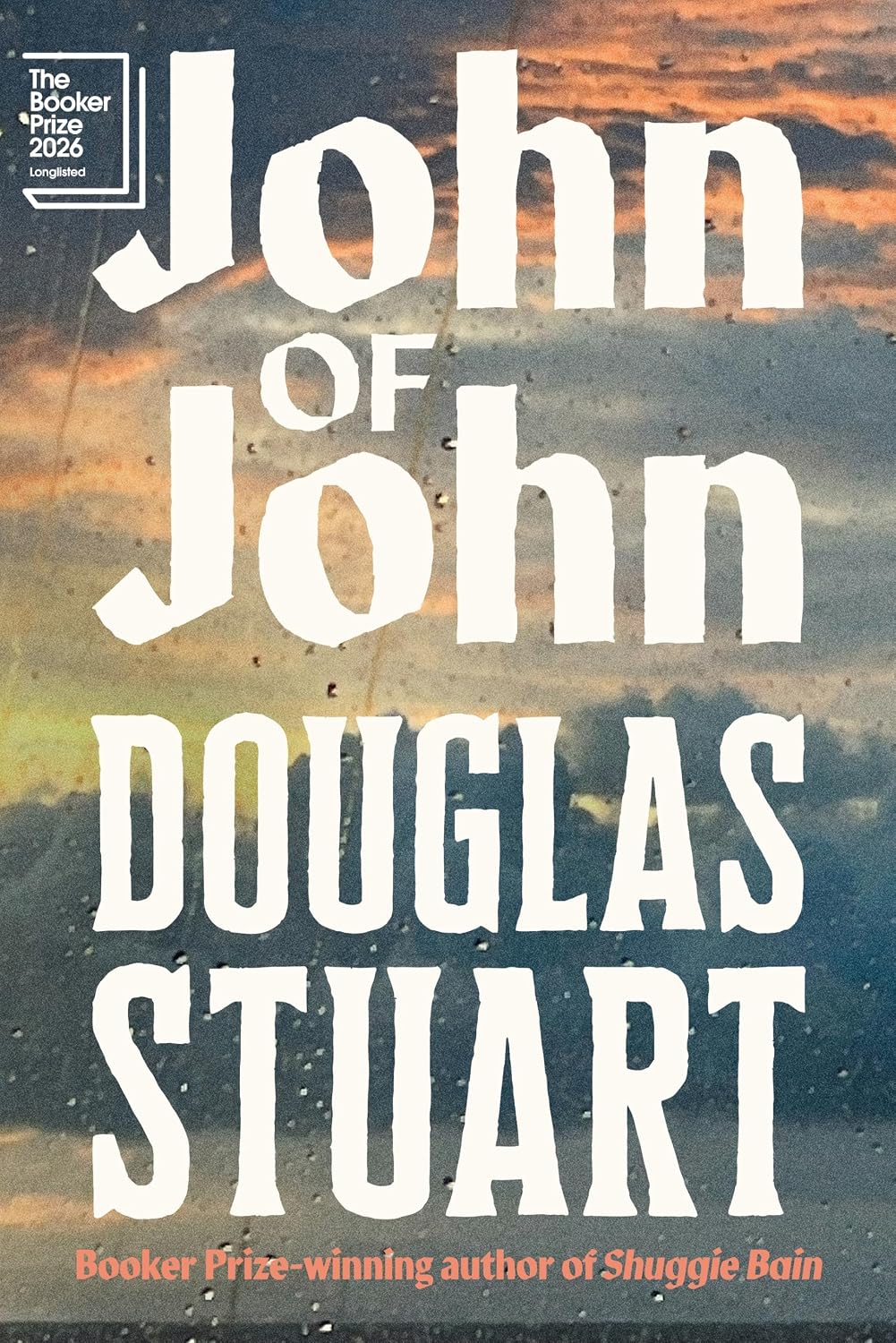
John of John by Douglas Stuart
Out of money and with little to show for his art school education, John-Calum Macleod takes the ferry home to the island of Harris to find that not much has changed except for him. In the windswept croft where he grew up, Cal resumes his old life, caught between the two poles of his childhood: his father John, a sheep farmer, weaver, and pillar of their local Presbyterian church, and his Glaswegian grandmother Ella, who has kept a faltering peace with her son-in-law for decades.
While Cal wonders if any lonely men might be found on the barren hillsides of home, John is dismayed by his son’s long hair and how he seems unwilling to be Saved. As the seasons pass, everything is poised to change as the threads holding together the fragile community become increasingly entangled. John of John confirms Douglas Stuart as one of the great British writers at work today.