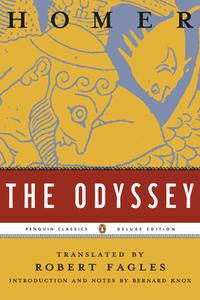
The Odyssey by Homer
After ten years of war, Odysseus turns his back on Troy and sets sail for home. But his voyage takes another ten years and he must face many dangers. Polyphemus the greedy one-eyed giant, Scylla the six-headed sea monster and even the wrath of the gods themselves, before he is reunited with his wife and son.
by Damla
“Good luck go with you, but if you could only know how much suffering is in store for you before you get back to your own country, you would stay where you are, keep house along with me, and let me make you immortal.”
I find that most ancient Greek literature can be summarized by this one image:
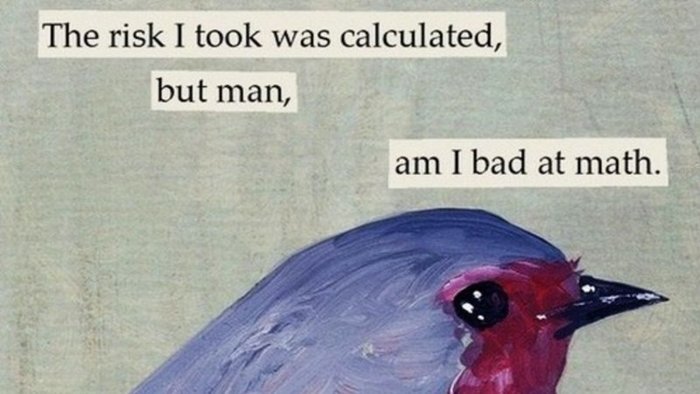
And The Odyssey is no exception.
Following the bloody (and what some might called unhinged) events we witness at the battle of Troy during the Iliad (take a look at my Iliad book review for more details), we now follow the poor soul Odysseus as he sets out to return to his home and family after 10 years of fighting. Little does he know that he has another 10 years of trials and tribulations coming his way. Imagine a journey so epic, so fraught with dangers and setbacks, that the modern linguistics uses your name to signify any long, torturous journey. Now that’s some tough luck.
With The Odyssey, we have yet another hit from the Greeks in our hands: ridiculous misfortunes brought on by capricious gods who apparently have nothing better to do than pick on one specific mortal, legendary monsters, devious plots to deceive, betrayal, revenge, bloodshed, absurd number of disguises and costume changes, and of course, cow-eating galore.
*doing my best Russell Crowe Spartacus impression* ARE YOU NOT ENTERTAINED? IS THIS NOT WHY YOU’RE HERE??
(Also yes, this is an ancient Rome reference for a book set in ancient Greece. The irony is not lost on me, given how the Romans pretty much copy/pasted a whole culture from Greeks.)
Anyways, this book is still unexpectedly fantastic given its age. Read it. Watch it. Be entertained. And never complain about your commute from work ever again.
As a final note, I would once again recommend the prose version of the text translated by Samuel Butler for those who prefer not to delve into poetry like myself. It is a great translation that helps the story feel more accessible without losing that epic and poetic quality.