Hooray! It’s time for our favorite reads of the year!
We love putting these posts together, so grab a hot beverage of your choice, find a comfy couch or chair or nook to settle into, and be ready to explode your TBR with all these scrumptious personal recommendations. These are the best books we read this year (but not necessarily published this year) and we need to tell everyone how brilliant they were.
Happy reading!
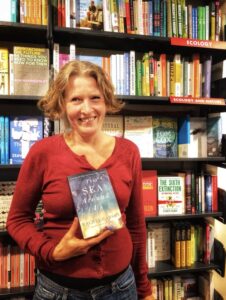 Sigrid
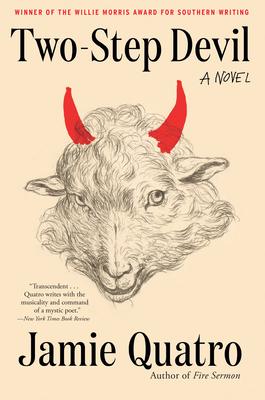
An old man living off-grid has visions that he paints. One day he meets a teenager that is being trafficked and he thinks she is an angel and he needs to save her. The story moves in surprising ways and is told in such a way that I was completely willing to go wherever the author was taking me. Very good story, with protagonists you don’t meet very often either in books or in real life.
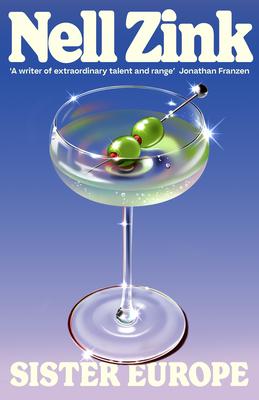
Sister Europe – Nell Zink
Long night in Berlin with a cast of mostly expat characters attending a highbrow literary event. They soon leave the party to make their own in the streets of Berlin and at a fast food restaurant. Zink always interweaves social issues in her novels in an amusing and interesting way.
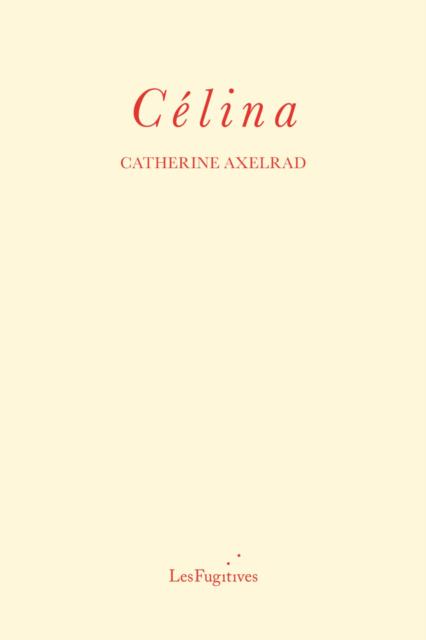
Célina – Catherine Axlerad (translated by Philip Terry)
Célina is fifteen years old when she starts working for the exiled Victor Hugo and his family. This is the story of her time there from her perspective. With her curiosity, her observations of the family, her sympathies, fears and involvements with Monsieur and other men. A very enjoyable read that feels very intimate.
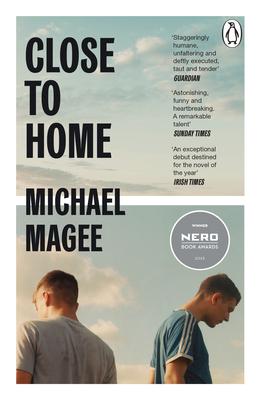
Close to Home – Michael Magee
West Belfast in 2013, the dream of economic prosperity has collapsed and the characters in this book face the consequences. Internships are halted, jobs are unavailable and many young people move abroad. This is about the ones who stay and how they are trying to make the best of their lives or fail at it because of addictions, class struggles and violence. Engrossing read and I’ve learnt a lot about The Troubles and how it shaped the 20-somethings’ lives and that of their parents. It felt very close to home for the author and I was blown away by this novel.
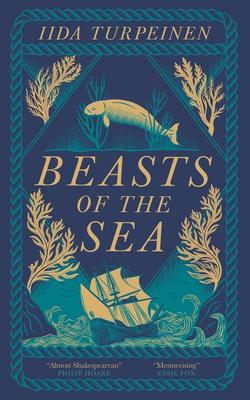
Beasts of the Sea – Iida Turpeinen (translated by David Hackston)
Unique history of how humans discovered their impact on the natural world. Told through the discovery and extinction of Steller’s sea cow. A large mammal that was an easy prey for hunters, because it moved so slow. This is a well researched historical novel that starts with the discovery of the sea cow by Georg Steller. Goes all the way to how its skeleton found a permanent place in the Natural History Museum in Helsinki and all the wonderful characters involved. A great, captivating read that I highly recommend.
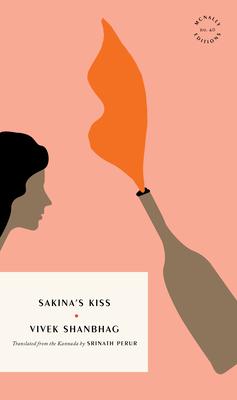
Sakina’s Kiss – Vivek Shanbhag (translated by Srinath Perur)
A dissection of a lot of the ‘isms’ (capitalism, feminism, communism, nepotism) in society through a story about the rebellious daughter of Venkat, an engineer who grew up in a small village and when going to college reads self help books to make sense of his growing world.
 IrisM
IrisM
Having read (and re-read) three amazing series this year, I would have a tremendously hard time choosing only five books. So in a not-so-covert attempt at cramming in as many books as I can, I decided to list the series instead of picking separate titles. It feels a little like cheating; but I reckon I can get away with it. After all: the separate parts of these series do add up to a greater whole, and that is a recommendation in itself.
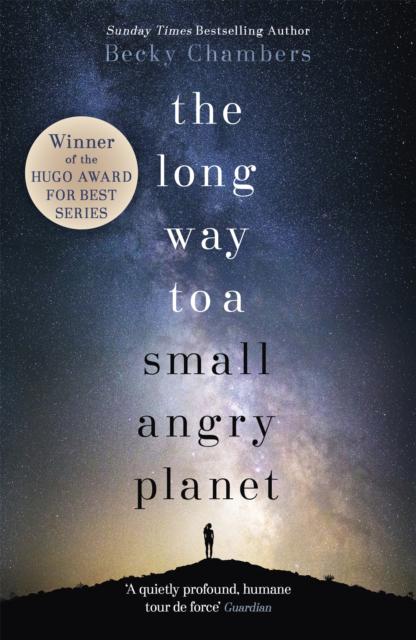
Becky Chambers’s Wayfarers Series (starts with The Long Way to a Small, Angry Planet)
Becky Chambers’s Wayfarers series consists of four titles set in the same Sci-Fi, far future universe. Starting with The Long Way to a Small, Angry Planet, the series is loosely interconnected, building upon threads, themes and characters from previous stories. Strictly speaking, the books can be read separately; but reading them in order will enhance the vividness and completeness of the universe.
Don’t expect large space explosions (well, only a few) or daring interplanetary heists (maybe one) or laser pistol shootouts in the crammed corridors of a space station (no – not even once). These books are explorations of some of Sci-Fi’s favorite questions: what makes a person? What does progress do with our sense of home? How can we connect, despite our differences? What does it mean to be human, to belong, and to be an outsider? Each installment follows a diverse cast of characters who experience both the struggles and comforts of life, from the very mundane and daily to the abstract and sublime.
Don’t just take my word for it – I was recommended this series by IrisW, and by now, most of the books feature recommendations from a host of us at ABC!
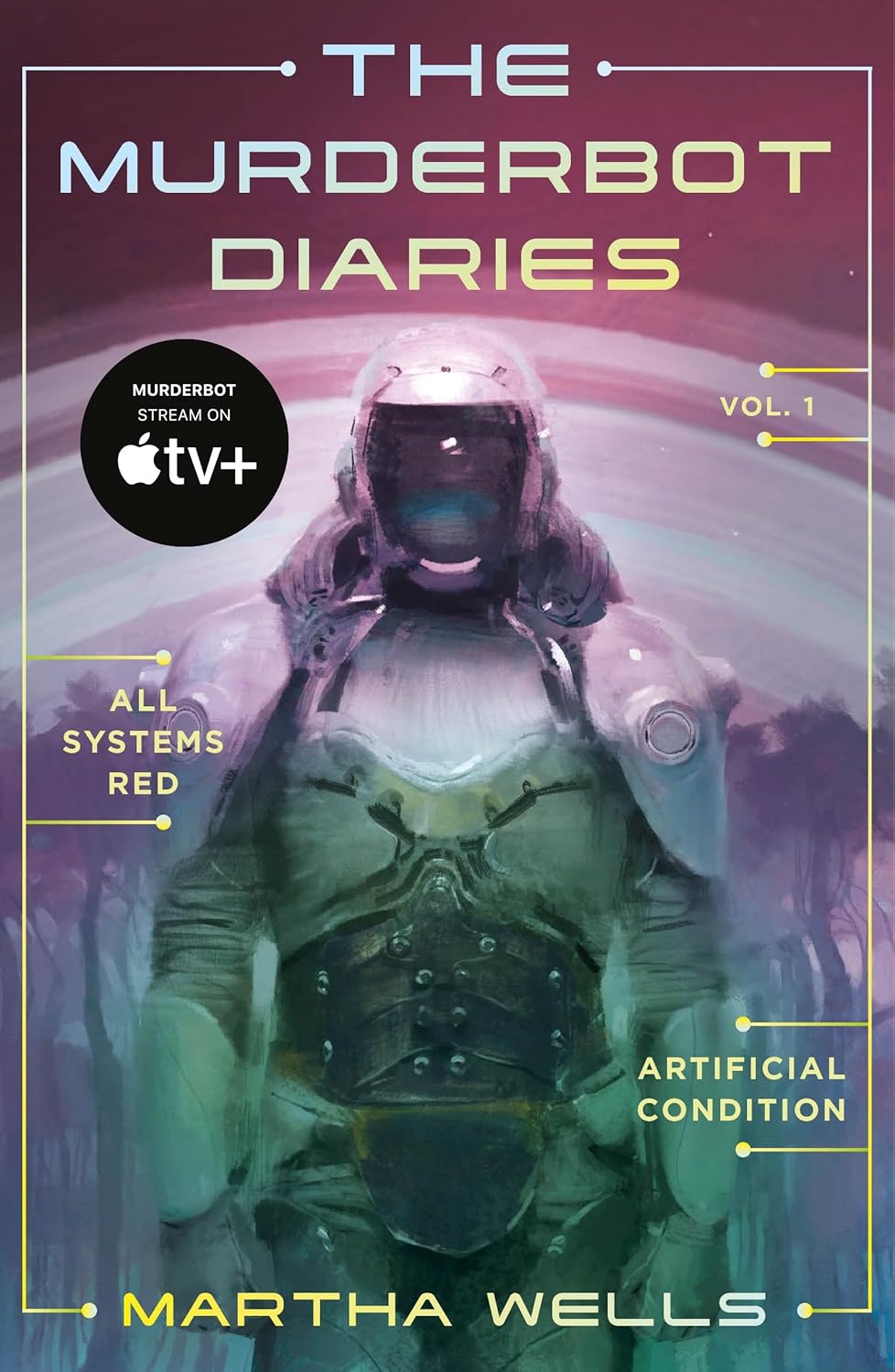
Martha Well’s The Murderbot Diaries (starts with All Systems Red)
If you would rather like your existential dread to come with space explosions and visceral fights, then absolutely pick up the Murderbot series. This series of mostly novellas has been around for a while in beautiful hardcover editions. With the arrival of the TV series (adapting novella #1, All Systems Red), the novellas have been republished per two in paperback.
Each of the novellas is a tightly written story following Murderbot. Being a security bot, it is very good at handling dangerous situations like giant alien fauna threatening to eat clients or attempted murder by hostile corporation employees. Sadly, protecting clients from all sorts of danger does significantly cut into its time to watch soap operas.
Each of the novellas is a self-contained story – no cliffhangers here, thankfully! However, characters do make appearances across multiple books and their experiences stay relevant in new plotlines. This allows for a gradual deepening of the universe’s lore and relationships between characters (undoubtedly, to Murderbot’s discomfort). Network Effect is currently the only novel in the series. It is fast-paced, high-staked and consistently tense without being exhausting.
Reader beware: pick up Network Effect before you read Fugitive Telemetry and System Collapse, or you will be hopelessly confused!
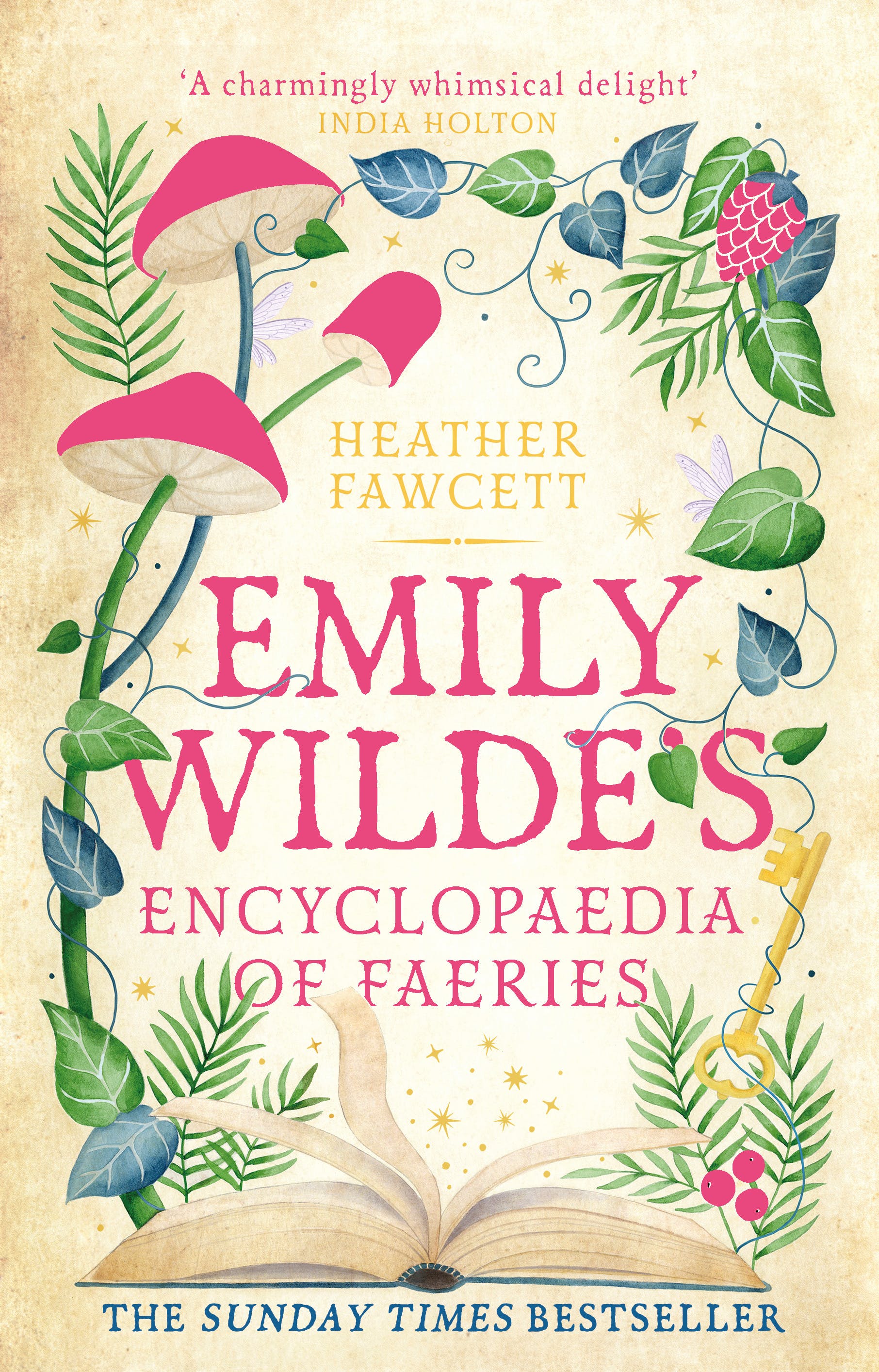
Heather Fawcett’s Emily Wilde books (starts with Emily Wilde’s Encyclopaedia of Faeries)
The titular Emily Wilde is a gifted scholar whose academic prowess far exceeds her people skills. Thankfully, the faeries she studies hardly behave like humans. And then there is Wendell Bambleby. The academic rival who she cannot quite figure out, he is charming, mercurial, and insistent on joining Emily on her adventures.
The trilogy concluded this year with Emily Wilde’s Compendium of Lost Tales. These fairy tales are part romance, part adventure and part academia. Like the fairy tales they borrow from, the books are both lovely and occasionally dark. Not quite Grimm’s fairytales: the three books mostly stay on the cozy side of things. And that’s what makes them lovely, and I suspect I will be re-reading these whenever I need a comfort read.
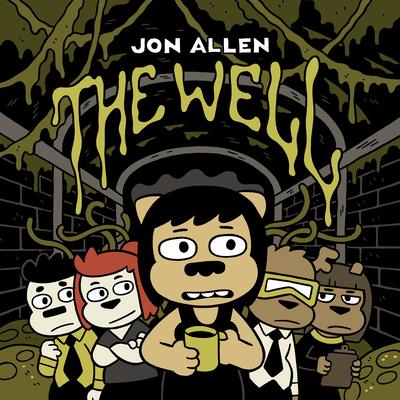
The Well – Jon Allen
Many reviews of Jon Allen’s graphic novel The Well mention how his work looks deceptively simple and cute. Deceptively so, because The Well features some heavy and/or mature subjects like prolonged ennui, painful or awkward romance, and corporate malpractice. Additionally, creating an art style that is both very clean yet conveys nuanced emotions in its characters is the opposite of simple – even though the shapes might be. Bonus: the stark contrast between story and style emphasize the feelings of disconnect protagonist Veronika experiences, and the weird adventures she finds herself in.
I first discovered Jon Allen’s work during the pandemic, when he would weekly post new pages of The Well to his Instagram (@OhioIsForSale – which is also the name of the larger series of comics that The Well is part of). It was a definite highlight of my week. All of it has been transformed into this absolute unit of a graphic novel and I couldn’t miss the chance to relive the experience on paper.
Maarten
As always it’s quite difficult to choose five books for a list like this. Especially since this year I haven’t read many very good books. And – because of ‘reasons’, don’t ask – I spent many days reading almost forty old Boekenweekgeschenken, mostly from the fifties and sixties. Some of them were actually pretty okay, but none of them were good enough to be included in a list like this.
Fortunately, I have been able to find a few books that are suitable for a best-of.
So this is my list, in a non-hierarchic order:
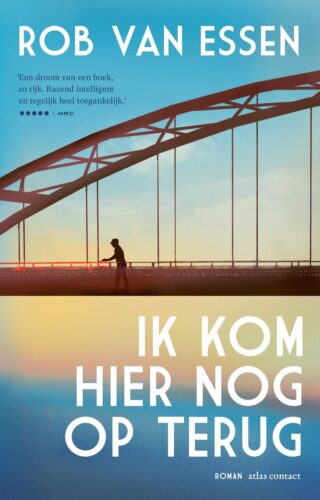
Ik kom hier nog op terug – Rob van Essen
The latest novel by one of my favorite (Dutch) writers. Almost impossible to describe what this book is about – it involves time travel, teleportation, coming-of-age, a possible childhood trauma – so I will not even attempt to..
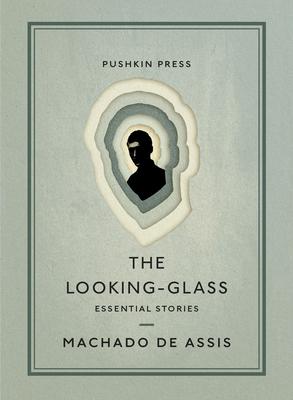
The Looking-Glass: Essential Stories – Machado de Assis (translated by Daniel Hahn)
Many years ago I read the long-short story The Alienist by this great Brazilian writer, liked it a lot, so this year I’ve read this collection. Very good! Very 19th century as well. This guy should be more famous…
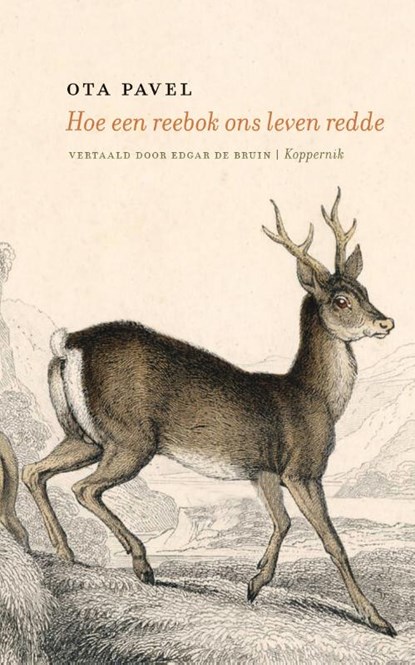
Hoe een reebok ons leven redde – Ota Pavel (translated by Edgar de Bruin)
Probably the biggest surprise this year. I had never heard of this Czech writer, but after reading a review, I gave it a try. What a joy! Casually told, slightly funny stories, part memoir, part fiction. Although his life story involved the war, the Holocaust and communism, it never gets too heavy.
(Published in Dutch by the very charming and sympathetic small publisher Koppernik.)
(Note: there is no English translation of this title yet, but the book preceding it has been translated and was re-published earlier this year: How I Came to Know Fish.)
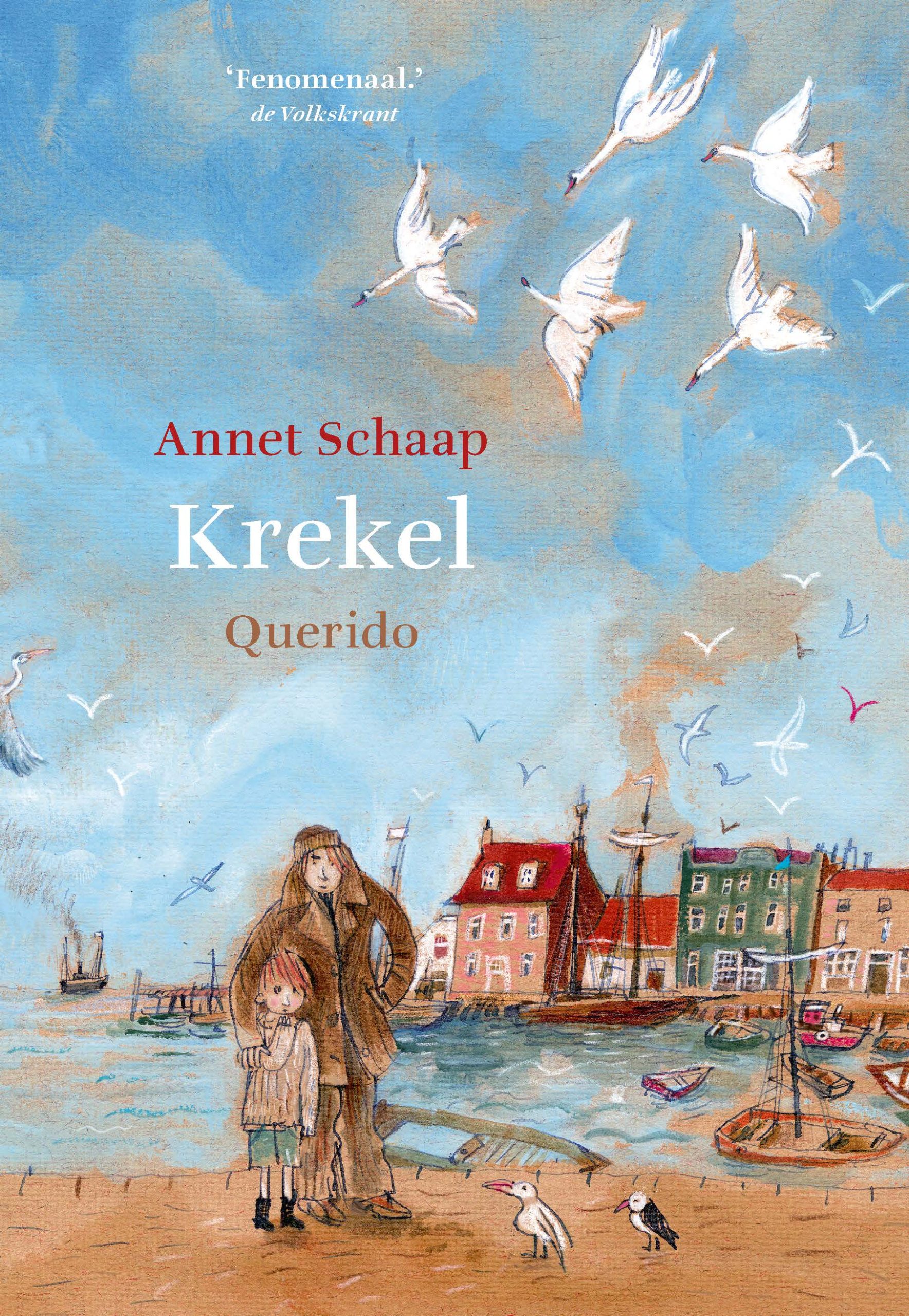
Krekel – Annet Schaap
The new children’s book by Annet Schaap, set it the same world as her previous bestseller Lampje. Once again a very adventurous and exciting story, with nice characters. Maybe the best contemporary Dutch children’s book writer.
(Note: no English translation of this title yet, either, but several of her other books are available in English, including Lampie.)
And now two titles I haven’t read yet, but am planning to read in the next couple of weeks. Because I think these books will be good enough to be included here – and this a best of 2025, and the year is not finished yet – I’d like to already sneak them in here:
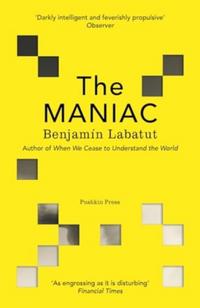
The Maniac – Benjamin Labatut
His previous book When We Cease to Understand the World was brilliant, and I hear great things about this one, so this is probably a shoo-in.
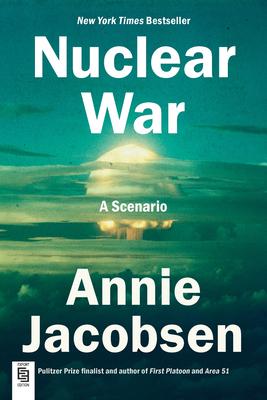
And finally: Nuclear War: A Scenario – Annie Jacobson
What better way to get through the Holiday season than by reading a non-fiction horror story like this. An investigation into what will really happen when we are finally stupid enough to let a full-scale global nuclear war break out. (Spoiler: it’s not pleasant.)
 Jesmae
They are in no particular order.
Top 5 Fiction
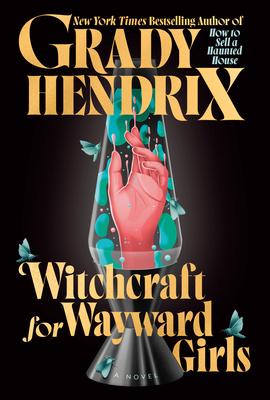
Witchcraft for Wayward Girls – Grady Hendrix
This exceeded my expectations. Hendrix demonstrates that it’s entirely possible for male authors to grasp and convey the anger and pain women experience.
(Note: a smaller paperback edition will be available in January.)
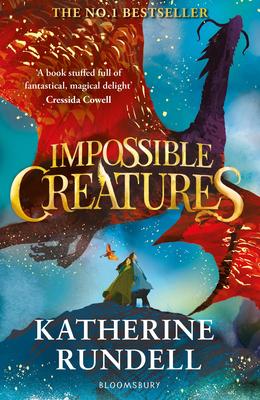
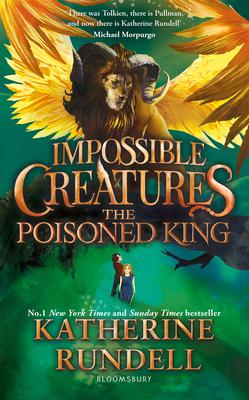
Impossible Creatures & The Poisoned King – Katherine Rundell
I LOVE THIS SERIES! I read the first book at the beginning of this year and was lucky enough to only have to wait a few months for the second one. If you’re a fan of magical creatures and fun adventures, this series is definitely for you, or for your kids, hehe.
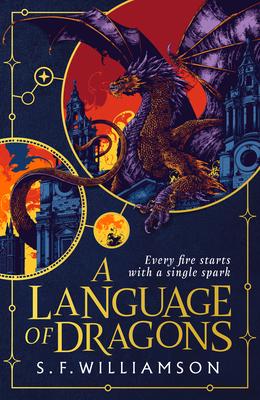
A Language of Dragons – S.F. Williamson
The main character was incredibly frustrating at times, I had to keep reminding myself that she was a teenager. But once I got past that, the story turned out to be a really fascinating take on dark academia and linguistics.
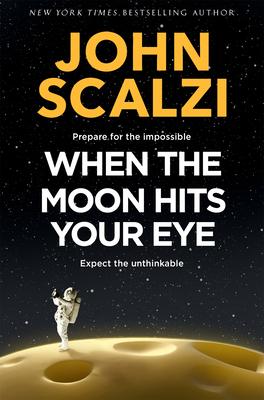
When the Moon Hits Your Eye – John Scalzi
I’m a huge cheese fan (yum) and a big admirer of Scalzi’s humor, and he definitely didn’t disappoint with this one.
Katabasis – R.F. Kuang
If you can get past how super annoying Alice Law is, you might be able to enjoy this book. The plot was intriguing and had everything I was expecting. It was surprisingly philosophical as well, which made me reflect on life and death a lot.
Honorable Mention
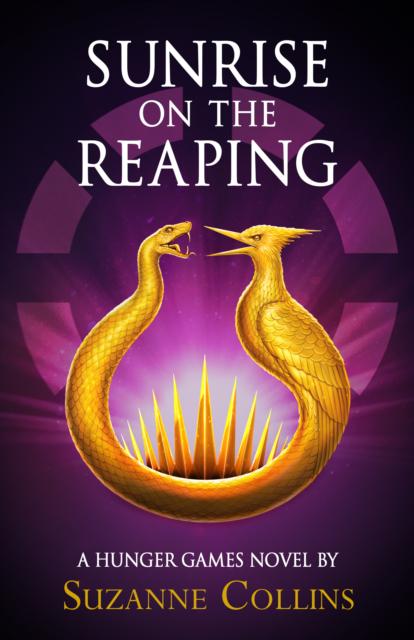
Sunrise on the Reaping – Suzanne Collins
NEED I SAY MORE?! Didn’t think so.
Top 4 Non-Fiction
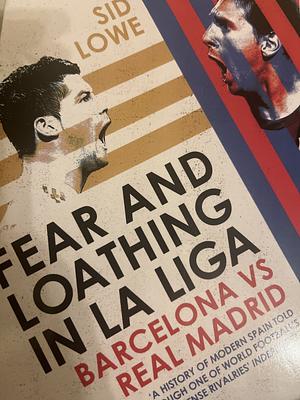
Fear and Loathing in La Liga – Sid Lowe
A bit outdated, but still a very nice deep dive into the history, politics and rivalry of Barcelona and Real Madrid. It read like a very long Wikipedia page, which I really enjoyed.
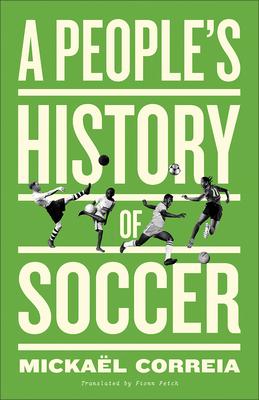
A People’s History of Soccer – Mickaël Correia
Another super interesting look at the history of football and the social battles it’s been connected to through the years. Including a closer look into the struggles to get women’s football the respect it deserves.
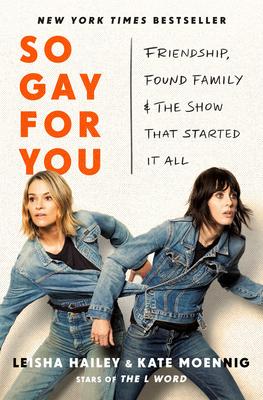
So Gay for You – Leisha Hailey & Kate Moennig
Such a fun stroll down memory lane. Loved the nostalgia, all the behind-the-scenes bits for The L Word fans, and the stories about their path to the show and what came after. Side note – you should all go listen to their podcast: PANTS!
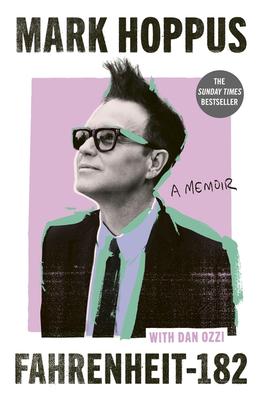
Fahrenheit-182 – Mark Hoppus
As a Blink-182 fan, this was just it.

Matty
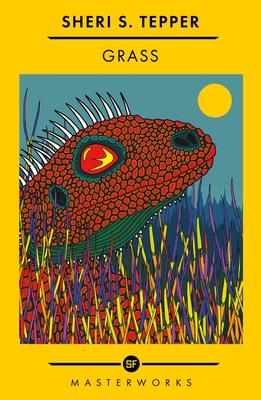
I made a silly resolution this year, I’m going to try and read every book in the SF Masterworks series. I love Sci-Fi and I’m getting to a point where I felt like I’d read a lot of the books I would naturally want to, but there’s still SO much good stuff out there that I don’t know how to find, which stresses me out! So I thought getting through all those masterworks would really round out my reading. So, one of the first books I chose was Grass by Sherri Stepper and my GOODNESS I’m so delighted that I did.
In a galaxy ruled by a colonial Catholic Church, a terrible plague is spreading across the universe. No world has been left untouched, except for a backwater planet covered in grass. Marjorie Westriding Yrarier – don’t let the names drive you crazy – has been sent from Earth to (in secret!) discover what the f is going on.
This is Dune with grass and mind-swap foxhunting.
Maybe I’ve made it sound like a balls-out crazy book, but it isn’t, it has this sort of weird upperclass British feel to it. Think: Austen in space. Fascinating and quite unlike anything else I’ve ever read.
Hollow – Brian Catling
I actually only picked Hollow out because our horror buyer Sywert chose it for our ABC’s 100 Top Tips poster and I fell in love with the cover. However, Sywert also knows a thing or too about good books so I gave it a go and boy did I not know what I was letting myself in for. Hollow is an absolute mind messer of a book. It’s basically a dark historical fantasy set in Hieronymus Bosch’s imaginary Holland, I mean, if that premise alone isn’t enough to make you at least prick up an ear I don’t know what is.
The story follows a group of degenerate bandits tasked with bringing a half dead, mummified oracle to a monastery filled with venal, ambitious and thoroughly disgusting monks who happen to be in the middle of a war between earth and hell. A cosy read it ain’t.
A surreal medieval fever dream full of violence, filth and mayhem, evil monks, drunken husbands, witches and stomach churning chimeras. I loved the bones of it, but it’s definitely not for the faint-hearted.
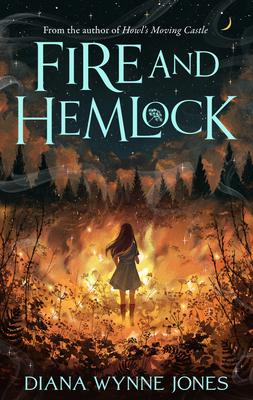
Fire and Hemlock – Diana Wynne Jones
I find it difficult to talk about Fire and Hemlock because it feels almost impossible to communicate how beautiful and complex it is just by outlining the story, but if it helps you, this is a book about a 9 year-old girl whose life we follow until she’s around 19. She meets a strange man when she gatecrashes a funeral who becomes a central figure in her life, but he has mysterious ties to a frightening woman and her intimidating family that could cause her to lose everything in her life that is dear to her. Is she strong enough to take them on and reclaim her life? Or is the very idea of that kind of heroism simply the business of fantasy and fairytales? Fire and Hemlock is essentially a re-telling of two old British folk tales, Tam Lynn and Thomas the Rhymer, but there’s also reams of references and themes from Greek myths, The Golden Bough and many many others, yet somehow it remains an entirely original book. It’s also is an almost impossibly deep and complex story and a genuine masterpiece by one of the greatest British writers of all time. Diana Wynne Jones isn’t that well known I think, but if you look at your favourite Fantasy & children’s book writers, most of them will cite her as an influence.
Fire and Hemlock is also hands down my favourite book of all time, and I’ve read a LOT of books, but never anything quite like this one. I must have read it dozens of times throughout my life; the most recent time was this year, so here it is, in my top five for yet another year. On this read, as all the others, I once again saw things I’d missed and made connections I hadn’t made before.
I would also like to say, have no idea why publishers have decided to market this as a straight kids book (and one with a terrible cover to boot) because it’s not only nothing of the sort, it’s a book with reams of academic essays written about it and one small google search will turn you up a score of different podcasts, some with double episodes, all discussing the endless depth and meaning to this incredible story. Every so often I meet someone else who’s read it and I know right away we’re gonna have at least a good two hours chat about what it all means.
If you do give it a read, thanks very much and please, come and find me in the Amsterdam shop and talk to me about it. That’s my favourite way to spend my day.
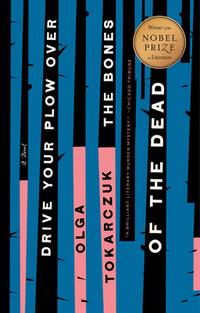
Drive Your Plough Over the Bones of the Dead – Olga Tokarczuk
I was honestly really surprised how much I loved this book. I had tried to read Flights a while back and I didn’t get on with it at all, which sort of put me off Olga Tokarczuk in general, but Drive your Plough.., it turns out, is an all-round delight. It’s a snarky, literary, quirky, witchy murder mystery about an eccentric older woman living alone in a tiny hamlet in the Polish mountains, and the people and animals living around her. I was instantly charmed by the main character, Janina (the aforementioned older woman) and at first Drive your Plow… reads quite lightly and easy, but actually there’s such a lot of other stuff going on under the surface of this story – it takes a lot of thinking about! If you want to read it simply as a quirky murder mystery then you absolutely can, but if you want to think a little deeper, there is so so much to gain from this complex, funny, charming, angry and affecting book. Death, loneliness, cruelty, class struggle, power systems but also love, acceptance and the wisdom of appreciation for all forms of life. It really is a wonderful book.
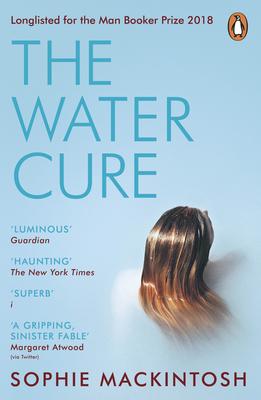
The Water Cure – Sophie Mackintosh
This is a very dark and troubling story but one that I found really stuck with me throughout the year. In The Water Cure, three sisters live with their mother and father on an island cut off from the rest of the world. Their parents raise them to believe that there has been some sort of industrial disaster in the rest of the world and society has complexly broken down. Not only is the world poisoned, but the resulting anarchy means that men have become lawless and dangerous and if they leave the island, terrible fates will befall them. You know as the reader that something is very wrong in this story but you’re never quite sure what’s real and what’s not. It’s clearly not a total lie but at the same time, there’s a powerful, uneasy feeling and the sense that nothing quite makes sense, it really puts you in the shoes of the sisters who are powerless to really understand the world around them. The prose is dreamy and disconnected, amplifying the sort of wrong but unknowable atmosphere of the story and your unease grows and grows with every page. The Water Cure is not an easy book to read (TW for child abuse) but I found it very rewarding and an interesting look into cult-like power and mind control games.

Want more of our favorite reads of 2025? Click here!