 by Lynn
Minnesota madness: authors (and habits) from the prairie
If you’ve been watching the courageous, caring people of Minnesota these past weeks, you might enjoy a peek into the local character, as evidenced by the writers from there. Not to forget Little House on the Prairie, Minnesota’s character is still formed by the weather, the pioneer spirit, and the small population. People need each other. It also has a rich literary legacy.
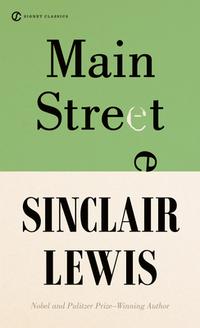
Did you know that Minnesotan Sinclair Lewis was the first American to win the Nobel Prize in Literature? Main Street and Babbitt are his best-known works.
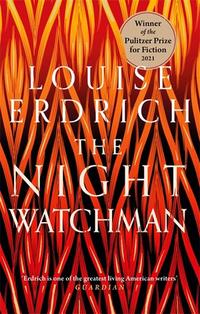
Louise Erdrich wrote The Sentence in 2021, setting it in the Minneapolis bookshop she opened to share Native American knowledge, The Birchbark Bookstore. She got her start by driving copies of her first novel, 1984’s Love Medicine, around in the trunk of her car, selling them to local booksellers, who loved the book and her determination. Their promotion brought the title to the attention of a larger publisher and won her the National Book Critics Circle Award for Fiction. Her novel, The Night Watchman, won the 2021 Pulitzer Prize.
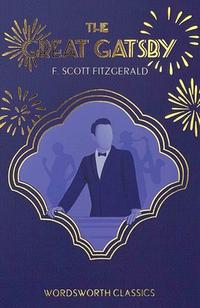
Everyone knows F. Scott Fitzgerald’s classics, The Great Gatsby and This Side of Paradise, but we don’t envision someone so wealthy coming from Minnesota. Yet Summit Avenue in St. Paul was the grand neighborhood of early elites who made their money on railroads, grain, and transportation, and it is still a joy to see. Apparently, Fitzgerald’s family just rented a house there, but still, he was in with the crowd.
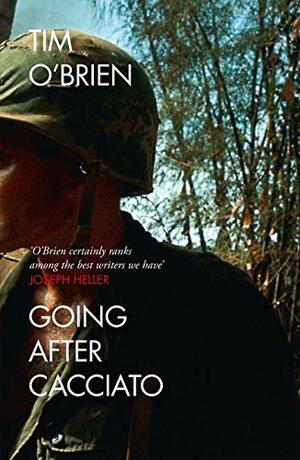
Tim O’Brien grew up, like me, in Worthington, and uses the setting in several of his war novels, now on required teenage reading lists: The Things They Carried and Going after Cacciato. Tim and I both studied at Macalester College on Summit Avenue, where we met another notable author, Charles Baxter, who wrote The Feast of Love and many short stories. His characters depict life in Middle America.
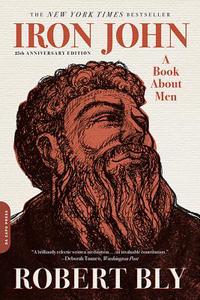
Robert Bly was a celebrated poet, anti-war activist, and author of Iron John: A Book About Men. My favorite piece of his writing is a whimsical poem called “The Lady Who Was a Radio.” It’s not out and about on the internet, unfortunately, but the gist of it was that the lady who was distressed turned into a radio, realizing that by twisting her knobs, she could turn herself on.
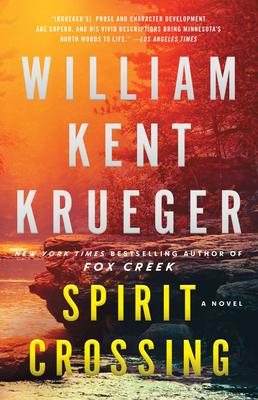
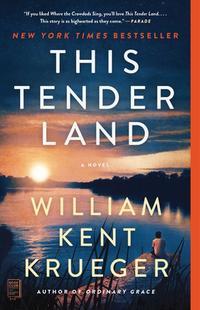
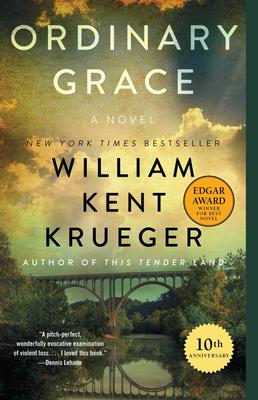
William Kent Krueger is still prolific, with the latest in his Cork O’Connor mystery series of some 20 detective novels set in Native American communities, Spirit Crossing, coming out in 2024. But I can’t urge strongly enough (and teachers recommend their high school students read) This Tender Land. The plot involves four orphan runaways from an Indian resocialization school in southwestern Minnesota. Their escape adventures remind me of Huckleberry Finn in a different context. The people who hurt the kids and those who help them on their way are richly drawn characters. Ordinary Grace is his other well-known novel. Once you get a taste for his writing, it’s hard not to read the whole series (which was written mostly at the St.Croix diner, just south of Macalester College, and not in the woods, by the way).
Garrison Keillor, host of A Prairie Home Companion, the Saturday night radio program folks stayed home for, also wrote books about a fictional town called Lake Wobegon. These became, to my utter amazement, international bestsellers. How Londoners, for instance, could relate to a place where buttermilk biscuit contests were held, I’ve never understood.
“But there you go.” That’s a Minnesota phrase, along with “You Betcha,” “Yup” and the most famous Elder-Scandinavian “Yup,” which combines the two: “Yup, You Betcha,” which is emitted several times en route towards the doorpost by guests, or hosts, trying to end a little chat. (If you stop in to drop off a little something, being helpful and “Minnesota nice,” you’ll be invited in for coffee and homemade cookies or bars, including brownies and Rice Crispy bars. Getting away is an art. Think about this before dropping something off if you’re pressed for time. If not, enjoy it—you’ll be gabbing away for hours, telling jokes and stories till the cows come home.)





I haven’t mentioned Bob Dylan, Nobel Prize-winning author himself, nor Prince, he of purple fame, because they don’t have self-written books to their names. But of course, they defined, and were defined by, Minnesota culture. Some of those characteristics include being “Minnesota nice” (avoiding rudeness or direct confrontation, but often making snide side remarks to bond with fellow critics). Hardiness: the harsh winters and blistering summers encourage self-reliance. “No whining” is an unwritten rule. “Just do it, would you?!”
Harsh weather challenges people living in the town, as well as those on the farm, with lots of extra work keeping the car battery charged, the windshields warmed, the sidewalks shoveled, the tree boughs cleared after tornado-sized storms…. The work never ends.
People help each other – pushing cars out of ditches, giving the neighbor’s battery a charge, caring for the family when an adult falls sick. A guy shoveling snow from his sidewalk once collapsed in my dad’s arms and died of a heart attack on the spot, the snow was too heavy for him. People were always dying by falling in their grain elevators, being suffocated by corn cobs, flipping over their tractors, or falling through the ice when fishing in the winter, or just plain drowning in the lake. I went to more funerals in my first 17 years of living than in the nearly 60 years since then.
So, I’m just saying, Minnesotans value education, fairness, hard work, laughter, and music. They dislike fuss and people who try to look more important than they are or who try to meddle with others. “Mind your own damn business” is often said in a “nice” undertone. Yet, “What do you need?” and “Can I help you with that?” are often heard just as quietly, if you listen.
I’ll close with another Minnesotan expression: “And that’s all I have to say about that!”